Customer Satisfaction
We are committed to delivering high quality services that exceed our clients' expectations. We strive to ensure that our clients are satisfied with our services and work closely with them to ensure their needs are met.
One-stop service
We promise to provide you with the fastest reply, the best price, the best quality, and the most complete after-sales service.
Expertise and Experience
Our team of experts have years of experience in delivering high quality services to our clients. We hire only the best professionals who have a proven track record of delivering exceptional results.
Quality Assurance
We have a rigorous quality assurance process in place to ensure that all our services meet the highest standards of quality. Our team of quality analysts checks each project thoroughly before it is delivered to the client.
State-of-the-art Technology
We use the latest technology and tools to deliver high quality services. Our team is well-versed in the latest trends and advancements in technology and uses them to provide the best results.
Competitive Pricing
We offer competitive pricing for our services without compromising on quality. Our prices are transparent, and we do not believe in hidden charges or fees.
There are several different types of outdoor lighting available, each with its own unique benefits and applications.

Floodlights
Floodlights are typically used to illuminate large areas, such as parking lots, sports fields, and building exteriors. They can be mounted on poles or walls and are available in a variety of wattages and beam spreads.
Spotlights
Spotlights are used to highlight specific features or objects, such as trees, statues, or architectural details. They can be adjusted to focus the light on a specific area and are available in both halogen and LED versions.
Path lights
Path lights are used to illuminate walkways, gardens, and other outdoor spaces. They are typically low to the ground and can be installed in the ground or mounted on walls or posts.
String lights
String lights are often used to add ambiance to outdoor spaces, such as patios, decks, and pergolas. They can be strung along fences, trees, or other structures and are available in a variety of colors and styles.
Step lights
Step lights are used to illuminate stairs and other areas where there is a change in elevation. They are typically installed in the risers of the stairs or on the wall adjacent to the stairs.
Wall lights
Wall lights are used to illuminate exterior walls of buildings and can be used to highlight architectural features or provide general illumination. They are available in a variety of styles and finishes to match the architecture of the building.
Choosing the right lighting fixtures for your outdoor space can be a challenging task, but there are a few key factors to consider that can help you make the best decision.

Determine the purpose of the lighting
Before you start shopping for lighting fixtures, it's important to determine the purpose of the lighting. Are you looking to illuminate pathways, highlight architectural features, or create a relaxing ambiance Knowing the purpose of the lighting will help you narrow down your options and choose the right fixtures.

Consider the style of your outdoor space
The style of your outdoor space should also be taken into consideration when choosing lighting fixtures. If you have a modern outdoor space, you may want to choose sleek, contemporary fixtures. If you have a more traditional outdoor space, you may want to choose fixtures with a more classic design.

Determine the amount of light needed
The amount of light needed will depend on the size and layout of your outdoor space. If you have a large outdoor space, you may need multiple fixtures to provide adequate illumination. If you have a smaller outdoor space, you may only need one or two fixtures.

Choose the right fixture type
There are several different types of lighting fixtures available, including floodlights, spotlights, path lights, string lights, and wall lights. Choose the type of fixture that best suits your needs and the style of your outdoor space.

Consider energy efficiency
When choosing lighting fixtures, it's also important to consider energy efficiency. LED lighting is typically more energy efficient than traditional incandescent lighting, which can help you save money on your energy bills in the long run.
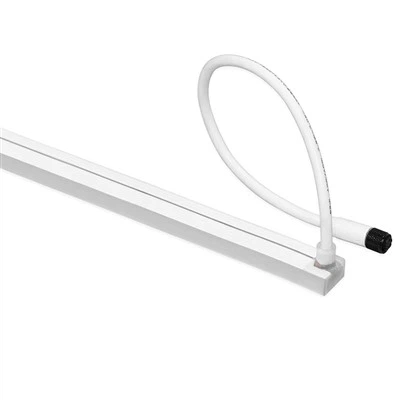
Choose fixtures that are durable and weather-resistant
Outdoor lighting fixtures need to be durable and weather-resistant to withstand the elements. Look for fixtures that are made from materials such as aluminum, stainless steel, or brass, which are resistant to rust and corrosion.
Layer your lighting
Use a combination of different types of lighting, such as ambient, task, and accent lighting, to create a layered effect. This will help to create a balanced and inviting atmosphere.
Use a mix of fixture types
Incorporate a variety of fixture types, such as path lights, spotlights, and string lights, to add depth and dimension to your lighting design.
Consider the placement of fixtures
Place lighting fixtures in strategic locations to illuminate key areas of your backyard, such as paths, seating areas, and architectural features. Avoid placing fixtures in straight lines or rows, as this can create a harsh and unbalanced look.
Use dimmer switches
Install dimmer switches on your lighting fixtures to allow you to adjust the level of light as needed. This will help you create a balanced and comfortable atmosphere throughout the evening.
Add candles or lanterns
Incorporate candles or lanterns into your lighting design to add a warm and inviting glow. Place them on tables or along pathways to create a cozy and intimate atmosphere.
Consider the color temperature of your lighting
The color temperature of your lighting can have a big impact on the overall look and feel of your backyard. Consider using warm white or yellow lighting to create a cozy and inviting atmosphere, or cool white or blue lighting to create a more modern and contemporary look.
Should I use uplighting or downlighting for my outdoor features
Uplighting - Uplighting is when the light source is placed below the feature and directed upwards. This can be used to illuminate tall features, such as trees or architectural details, and can create a dramatic and beautiful effect. Uplighting can also be used to create a sense of depth and dimension in your outdoor space.
Downlighting - Downlighting is when the light source is placed above the feature and directed downwards. This can be used to illuminate horizontal features, such as decks, patios, or paths, and can provide a functional and safe source of light. Downlighting can also be used to create a warm and inviting atmosphere in your outdoor space.
Uplighting is better suited for highlighting specific features and creating a dramatic effect, while downlighting is better suited for providing general illumination and creating a safe and functional outdoor space. The best choice will depend on the specific feature and the desired effect. Consider testing both uplighting and downlighting to see which works best for your outdoor space.
Use LED lighting
LED lighting is typically more energy-efficient than traditional incandescent or halogen lighting. LED bulbs use less energy and have a longer lifespan, which can help you save money on energy bills and replacement bulbs over time.
01
Install motion sensors
Install motion sensors on your outdoor lighting fixtures to ensure they only turn on when someone is present. This can help you save energy and avoid leaving lights on when they're not needed.
02
Use timers
Install timers on your outdoor lighting fixtures to ensure they turn on and off at specific times. This can help you save energy and ensure your lights are only on when they're needed.
03
Choose the right fixture
Choose outdoor lighting fixtures that are designed to be energy-efficient, such as those with a high lumen output per watt. This can help you save energy while still providing the desired level of illumination.
04
Consider solar lighting
Consider using solar lighting for your outdoor lighting needs. Solar lighting is powered by the sun and does not require electrical hookups, which can help you save energy and reduce your carbon footprint.
05
Choosing the right color temperature for your outdoor lighting can have a big impact on the overall look and feel of your outdoor space.
The purpose of the lighting
The purpose of the lighting will often determine the color temperature you choose. For example, if you're using outdoor lighting for security purposes, you may want to choose a cool white or blue-white color temperature, as this will provide a bright and clear light that is easy to see. On the other hand, if you're using outdoor lighting to create a warm and inviting atmosphere, you may want to choose a warm white or yellow-white color temperature.
The style of your outdoor space
The style of your outdoor space can also influence the color temperature you choose. For example, if you have a modern outdoor space with clean lines and a minimalist design, you may want to choose a cool white or blue-white color temperature to complement the style. If you have a more traditional outdoor space with warm colors and textures, you may want to choose a warm white or yellow-white color temperature to create a cozy and inviting atmosphere.
The time of day
The time of day can also influence the color temperature you choose. For example, if you're using outdoor lighting in the evening, you may want to choose a warmer color temperature, as this will create a more relaxing and inviting atmosphere. If you're using outdoor lighting during the day, you may want to choose a cooler color temperature, as this will provide a bright and clear light that is easy to see.
The surrounding environment
The surrounding environment can also influence the color temperature you choose. For example, if you live in a area with a lot of natural light, you may want to choose a cooler color temperature to complement the natural light. If you live in a area with less natural light, you may want to choose a warmer color temperature to create a more inviting and comfortable atmosphere.
Functionality
Consider the purpose of the lighting. Are you looking to create a relaxing ambiance for evening entertaining, or do you need bright lighting for tasks like reading or grilling Different lighting fixtures can be used to achieve different functional goals.
Lighting placement
Think about where you want to place the lighting fixtures. You may want to illuminate paths and steps for safety, or highlight features like plants or architectural details. Placing lights at different heights and angles can also create a more dynamic and interesting lighting design.
Lighting type
There are several types of lighting to choose from, including pendant lights, wall sconces, and string lights. Each type of lighting has its own advantages and disadvantages, so consider the size and style of your patio or balcony when choosing lighting fixtures.
Color temperature
The color temperature of the lighting can have a big impact on the overall look and feel of your outdoor space. Consider using warm white or yellow lighting to create a cozy and inviting atmosphere, or cool white or blue lighting to create a more modern and contemporary look.
Energy efficiency
Energy-efficient lighting options, such as LED lights, can help you save money on your energy bills while also reducing your carbon footprint. Look for lighting fixtures with a high lumen output per watt to ensure you're getting the most energy-efficient lighting possible.
Weather resistance
Since your lighting fixtures will be exposed to the elements, it's important to choose lighting that is weather-resistant and durable. Look for lighting fixtures that are rated for outdoor use and that have a protective coating or finish to withstand moisture and sunlight.
Safety
When installing lighting on your patio or balcony, make sure to follow all safety guidelines and regulations. This may include hiring a professional electrician to install the lighting fixtures and ensuring that all electrical wires are properly insulated and protected.
Use soft, warm lighting
Soft, warm lighting can create a cozy and intimate atmosphere. Consider using lighting fixtures with a warm color temperature, such as warm white or yellow lighting. You can use string lights, lanterns, or even candles to create a soft and warm glow.
Create a focal point
Create a focal point in your outdoor space by highlighting a feature or element with lighting. This could be a statue, a water feature, or even a tree. By highlighting a focal point, you can draw the eye and create a sense of depth and dimension in your outdoor space.
Use dimmer switches
Using dimmer switches can allow you to adjust the intensity of the lighting to create the desired atmosphere. You can turn the lighting up for a bright and lively atmosphere or turn it down for a more intimate and romantic setting.
Incorporate lighting into your landscaping
Incorporating lighting into your landscaping can create a beautiful and romantic atmosphere. Consider using pathway lights to illuminate paths and steps, or using uplighting to highlight plants and trees.
Create a sense of privacy
Creating a sense of privacy can enhance the romantic atmosphere of your outdoor space. Consider using tall plants or privacy screens to create a secluded and intimate setting.
Use multiple layers of lighting
Using multiple layers of lighting can create a more dynamic and interesting lighting design. Consider using overhead lighting, pathway lighting, and accent lighting to create a well-rounded lighting design.
Consider using solar lighting
Solar lighting is a great option for outdoor lighting as it is energy-efficient and easy to install. You can use solar lights to illuminate paths, steps, or even to highlight features in your landscaping.
Floodlights are designed to illuminate large areas with a bright, broad beam of light. This makes them ideal for illuminating driveways, patios, and other outdoor spaces where a lot of light is needed.
Floodlights can improve visibility in outdoor spaces, making it easier to see at night. This can increase safety and security by deterring intruders and making it easier to see potential hazards.
Floodlights are typically built to withstand harsh weather conditions, making them a durable and long-lasting choice for outdoor lighting. They are often made with weather-resistant materials and sealed to prevent moisture and dirt from getting inside.
Many floodlights are designed to be energy-efficient, using LED bulbs or other energy-saving technologies. This can help you save money on your energy bills while also reducing your carbon footprint.
While floodlights are primarily functional, they can also add to the aesthetics of your outdoor space. You can choose floodlights with a warm or cool color temperature to create the desired mood and atmosphere.
Bulb type
There are several types of bulbs to choose from, including incandescent, halogen, LED, and CFL. LED bulbs are the most energy-efficient and longest-lasting option, but they can be more expensive upfront. Incandescent and halogen bulbs are less energy-efficient but may be a more affordable option.
Bulb wattage
The wattage of the bulb will determine how bright the light is. Consider the size of the area you want to illuminate and choose a bulb with the appropriate wattage. For larger areas, you may need a higher wattage bulb, while for smaller areas, a lower wattage bulb may be sufficient.
Bulb color temperature
The color temperature of the bulb will determine the color of the light. Bulbs with a warm color temperature, such as 2700K or 3000K, will have a yellowish or orange hue, while bulbs with a cool color temperature, such as 5000K or 6000K, will have a bluish or white hue. Consider the desired mood and atmosphere when choosing a bulb color temperature.
Bulb lifespan
The lifespan of the bulb will determine how often you need to replace it. LED bulbs typically have a longer lifespan than incandescent and halogen bulbs, but they can be more expensive upfront.
Weather resistance
Since your outdoor lighting will be exposed to the elements, it's important to choose bulbs that are weather-resistant. Look for bulbs that are rated for outdoor use and that have a protective coating or casing to withstand moisture and sunlight.
Energy efficiency
Smart lighting controls can help you save energy by automatically adjusting the brightness and timing of your outdoor lighting. For example, you can program your lights to turn on and off at specific times or adjust the brightness based on the time of day or occupancy.
Convenience
Smart lighting controls can make it easier to control your outdoor lighting from anywhere using your smartphone or other devices. You can turn your lights on or off, adjust the brightness, or change the color temperature from the convenience of your couch or while you're away from home.
Security
Smart lighting controls can also enhance the security of your home by allowing you to program your lights to turn on and off at random intervals to give the appearance that someone is home. You can also set your lights to turn on automatically when motion is detected, deterring intruders.
Customization
With smart lighting controls, you can customize the look and feel of your outdoor lighting to create the desired mood and atmosphere. You can choose from a range of colors and lighting effects to enhance the look of your home and outdoor spaces.
Compatibility
Before purchasing smart lighting controls, make sure they are compatible with your existing outdoor lighting system. Some smart lighting controls may require specific bulbs or fixtures, so it's important to do your research before making a purchase.
Purpose
What is the purpose of your outdoor lighting Are you looking to illuminate paths and walkways, enhance the aesthetics of your landscape, increase security, or all of the above Knowing the purpose of your lighting will help you choose the right type and placement of fixtures.
Lighting design
The design of your outdoor lighting can have a big impact on the overall look and feel of your outdoor space. Consider the style, color, and placement of your fixtures to create the desired mood and atmosphere.
Energy efficiency
Energy efficiency is an important consideration when choosing outdoor lighting. LED bulbs are the most energy-efficient option, but you may also want to consider timers, motion sensors, and dimmers to further reduce energy consumption.
Weather resistance
Since your outdoor lighting will be exposed to the elements, it's important to choose fixtures that are weather-resistant and durable. Look for fixtures that are rated for outdoor use and that have a protective coating or casing to withstand moisture, sunlight, and temperature changes.
Installation
The installation of your outdoor lighting will depend on the type of fixtures you choose and the layout of your outdoor space. Consider hiring a professional electrician to ensure that your lighting is installed safely and correctly.
Cost
The cost of your outdoor lighting will depend on the type and quality of fixtures you choose, as well as the complexity of the installation. Set a budget before you start shopping to ensure that you don't overspend.
Efficient, progressive and co-prosperity are our purpose and principle. Our company uphold the concept of Moral management, make friends with clients, providing customers with better coordination and amazing service.


Q: What is outdoor lighting?
Q: Why is outdoor lighting important?
Q: What are the different types of outdoor lighting?
Q: How can outdoor lighting enhance the aesthetics of a space?
Q: What are the factors to consider before installing outdoor lighting?
Q: How can outdoor lighting promote safety?
Q: What are some popular outdoor lighting designs and styles?
Q: What are the different lighting techniques used in outdoor lighting?
Q: How can I control outdoor lighting?
Q: What are the advantages of LED outdoor lighting?
Q: How can I make outdoor lighting more energy-efficient?
Q: Can outdoor lighting be used for security purposes?
Q: How can I prevent light pollution with outdoor lighting?
Q: Are solar-powered outdoor lights a good option?
Q: How can I choose the right outdoor lighting fixtures?
Q: Can outdoor lighting affect wildlife?
Q: How can outdoor lighting be incorporated into landscaping?
Q: Are there any safety precautions to consider when installing outdoor lighting?
Q: Can I install outdoor lighting myself, or should I hire a professional?
Q: How can I maintain outdoor lighting fixtures?
As one of the leading outdoor lighting suppliers in China, we warmly welcome you to buy bulk discount outdoor lighting from our factory. All customized products are with high quality and competitive price. Contact us for quotation.
outdoor lighting finial lights, cheap stadium lights, stadium light for football(0/10)



