
Professional team
Our professional team collaborate and communicate effectively with one another, and are committed to delivering high-quality results. They are capable of handling complex challenges and projects that require their specialized expertise and experience.

Innovation
We are dedicated to improving our systems continually, ensuring that the technology we offer is always cutting edge.

One stop solution
We can offer a range of services, from consultation and advice to product design and delivery. It is a convenience for the customers, as they can get all the help they need in one place.

24h online service
We try and respond to all concerns within 24 hours and our teams are always at your disposal in case of any emergencies.

UFO LED high bay light fixtures
When choosing lighting for a commercial space with high ceilings, UFO LED high bay lights offer bright light and are easy to install. With the smart design of UFO LED high bay light products, the design is part of the energy efficiency. Created with a fin style to help transfer thermal properties more evenly, these round high bay fixtures allow for illumination that is widespread and powerful.
Linear high bay LED lights
Lighting for high bay ceilings requires thoughtfully designed fixtures. When you combine the overall design with the incredible power of LED found in our selection of linear LED high bay lighting fixtures, you get a warehouse lighting solution that is practical, affordable, and high-functioning. LED lights are known for saving money. Not only do they consume less energy to cut down on utility costs, they also offer longer burn times than incandescent or fluorescent bulbs. In some models, bulbs last for up to 50,000 hours.


LED high bay vapor tight light fixtures
One of the most durable solutions on the market today, LED vapor tight high bay lights have been specifically designed to handle the toughest jobs and are able to provide the same great illumination you expect without succumbing to moisture and other hazards. Like traditional high bays, vapor tight fixtures provide great illumination for a wide area specifically intended for high ceilings, making them perfect for large spaces and tall ceilings in warehouses and industrial spaces, and with the vapor-tight design, they will provide an extra level of security and reliability that you will love.
Commercial-grade strip lighting
Commercial LED strip lights will transform the look of your space, providing increased lighting and greater security.Strip lighting boasts a small footprint while adding illumination and warmth to your commercial setting. House them underneath a surface panel or fix them to the ceiling and these lamps will offer excellent illumination for years to come.

Lamps
This is the most important component of industrial lighting. It is the source of light in the entire lighting system. There are different types of bulbs/lamps used in industrial lighting, depending on the application, including incandescent, fluorescent, high-intensity discharge (HID), and LED bulbs.
Ballasts
Ballasts are used in fluorescent and HID lighting systems to regulate the flow of electricity to the bulbs/lamps. They are necessary to start the bulbs/lamps and to keep them running efficiently.
Reflectors
The function of reflectors is to reflect light back to the intended direction of the beam. They also help to increase the overall efficiency of the lighting system by reducing the amount of light that is lost.
Light sensors
Light sensors are used in industrial lighting systems to automatically turn lights on or off based on the ambient light levels. This helps to save energy and extend the life of the bulbs/lamps.
Dimmers
Dimmers are used to adjust the brightness of the lighting system. They help to conserve energy and create a more comfortable and controlled lighting environment.
Wiring
Wiring is an essential component of the lighting system as it connects all the components and allows electricity to flow through the system. It needs to be of high quality to ensure safety and reliability in the lighting system.

Brightness
Lumens indicate the brightness of a light bulb, and the more lumens a light fixture has, the more light it gives off. Because LED lights use fewer watts than incandescent or fluorescent lights with the same brightness, it is better to look at a product's lumen output versus its wattage when determining how many light fixtures you need in a specific area.

Color temperature
Measured using the Kelvin Scale, this refers to the color hue emitted by the light bulb. A light fixture with a color temperature between 3000K and 5000K is a good choice for a warehouse. A light fixture with a lower Kelvin of 3000K will have a warmer, yellow color while a light fixture with a higher Kelvin of 5000K will emit a cooler, crisp white color.

Beam angle
You should look at a light fixture's beam angle to determine if it will work in your desired area. Wider beam angles provide widespread illumination that is great for open spaces, such as storage areas, while narrower beam angles create a more focused beam that illuminates a specific area.

Dimmable
Purchasing dimmable LED lights is a great way to reduce energy consumption and set your space at the light level you desire. LED lights become more energy-efficient when they run at under 100% power. Plus, their lifespan increases, which can further save on costs. Commercial warehouse light fixtures utilize 0-10V dimming for smooth and uniform dimming.
The Importance of Industrial Lighting
Improve the visual experience
There are various tasks and departments in industrial sites. Suitable industrial lighting meets the requirements of all tasks and compartments and subsequently enhances the visual experience. The most important requirement for industrial lighting is visibility. Workers need adequate lighting to perform their tasks. Neither too bright nor poor lighting will reduce visibility.
Reduce the accident
Proper industrial lighting consists of adequate lighting and quality lighting. It plays an important role in reducing accidents. Proper industrial lighting contributes to a clearer view for workers and helps them recognize location, people and speed of moving objects, and prevent accidents or harm to people.
Health problem
Both low and excessive lighting will lead to health problems. It will cause eye strain in low lighting conditions. Glare can cause visual fatigue and damage a person's eyesight. Improper flickering lighting can cause stroboscopic effect. The stroboscopic effect is dangerous for those who operate machinery in an industrial environment. Some people are more sensitive to flicker at higher frequencies. Comfortable and high-quality industrial lighting can reduce health problems. It is the most important issue for everyone working in that environment to work healthier and more efficiently.

Airports
Requiring both a significant lighting spread as well as intense lumen outputs, airports have uniquely demanding lighting requirements. They also have a wide range of different building types, structures and areas that need to be illuminated, making the fixture selection equally as varied. Flood lights, wall packs and street lights are the most popular for outdoor lighting, with UFO high bay and linear low bay lighting being the preferred choice for aircraft hangars and airport maintenance facilities.
Airplane hangars
Due to the extreme precision required when maintaining and storing aircraft inside hangars, the lighting fixtures chosen must produce exceptional lumen output in order to provide enough illumination to ensure safe, accurate and quality work. UFO high bays are the number one choice for this application, as they are some of the highest powered lighting fixtures available and provide exceptional lumen output from the high ceilings normally encountered in airplane hangars.
Manufacturing facilities
One of the most varied types of industrial applications, manufacturing facilities have significant lighting requirements in order to ensure worker safety as well as production efficiency. The types of lighting fixtures used vary considerably depending on the specific area, ranging from high bay fixtures to low bay lights and strip lighting.
Warehouse
Warehouses require specially designed lighting fixtures that are able to provide necessary illumination over a wide area. Additionally, it’s important that these lighting fixtures can withstand prolonged use and harsh environments while requiring little to no maintenance.As such, the majority of the lighting fixtures used for storage facilities are designed to be rugged and weatherproof for outdoor use, Interior lighting is usually satisfied by the use of linear strip lights and flat panels depending on how the facility is configured.

Industrial lighting is a critical component of many industrial facilities. It ensures that employees can work safely and efficiently while enabling equipment and machinery to function effectively. The lighting system's design must be tailored to meet the specific needs of each facility and the tasks being performed. Factors such as the height of the ceiling and its reflective properties, the type of work being done, and the type of machinery and equipment used can all impact the system's design.

One of the primary considerations when designing industrial lighting is to achieve optimal lighting levels while minimizing energy costs. To achieve this, lighting systems typically include fixtures with specialized optics and reflectors that maximize light output and direct it where it is needed.Industrial lighting systems may also include advanced controls and sensors that can adjust the lighting levels based on occupancy, natural light levels, and other factors. These systems can help minimize energy waste and reduce maintenance costs by reducing the amount of time lights are on when they aren't needed.
Regular cleaning
Industrial areas come in contact with dust, dirt, oils, etc. The accumulation of these things on the light fixture hinders the light from passing the lens. As a result, the brightness of the light is reduced. So, you must appoint workers to clean the lighting frequently, at least once every two months. However, be careful with wet cleaning; this can get very dangerous. Make sure the lights are turned off when cleaning.
Upgrade to LEDs
The advanced technology of LED lights consumes less energy and is more durable. This will also give better lighting output and save your electricity costs! Above all, they are also good for the environment as they emit no harmful gasses.
Replace burn-out bulbs
The big industrial projects have hundreds of light fixtures throughout the area. It is very common to have burn-out fixtures here and there. Inspect them and replace the bulbs with new ones.
Test emergency lighting
The emergency lights are designed to glow when the main power supply goes off; they don’t turn on in usual cases. As a result, you won’t know if they are damaged or having any issues until there are any emergencies. For this, regularly inspect them to see if they work.
Determine the type of lighting needed
Industrial lighting comes in a variety of types, including fluorescent, LED, and HID. Each has its benefits, and determining the type of lighting needed depends on factors such as the size of the space, the type of work being done, and the desired level of illumination.
Measure the space
Before purchasing any lighting, measure the space to be lit. This will help determine the number and placement of the fixtures needed.
Plan the layout
Based on the measurements, determine the layout of the lighting fixtures. This should take into account the type of lighting, the desired level of illumination, and any potential obstacles or obstructions.
Choose fixtures and bulbs
Select industrial-grade fixtures and bulbs that are appropriate for the space and work being done. Make sure the fixtures are rated for use in the environment, and choose bulbs with the appropriate wattage and color temperature.
Prepare the space
Before installing the fixtures, ensure that the space is clean and free of debris. Turn off power to the area to be worked on.
Install the fixtures
Follow the manufacturer's instructions for installing the fixtures, ensuring that they are securely attached and wired properly. For safety, it's a good idea to hire a licensed electrician to handle the installation.
Test the lighting
Once the installation is complete, turn the power back on and test the lighting. Make any necessary adjustments to the placement or orientation of the fixtures to achieve the desired level of illumination.
Maintain the lighting
Regularly inspect and maintain the lighting fixtures to ensure they remain in good working order. Replace bulbs as needed, and promptly address any issues with the wiring or fixtures.
Install Emergency Lights
It can be risky if the light cuts off during any manufacturing procedure or chemical reaction. This can be caused by a fault in the fixture or a sudden power cut. In this case, you should have emergency or battery-powered lighting that glows as electricity goes off. Implementing this plan can save you from emergencies. For instance, a fire broke out in your factory, and the power went out. The workers inside won't be able to locate the exit route in the dark. An emergency light may help them get out of the building safely.
Minimum Light Glaring
In every workplace context, glare should be kept to a minimum. A brief loss of visibility due to glare could result in a major accident in high-risk locations when staff members control machinery or look up at racks. Consider the light lens design to avoid glaring.
Cord or Cable Management
The cords and cables of the lighting must be secured properly. As workstations in industrial areas are too busy, they may have higher chances of getting tripped over wires. This can create serious accidents. To avoid such situations, manage the light wiring and cables properly.
Proper Installation
What if the hanging fixture in your workshop suddenly falls over a worker? This can be too dangerous and life risky. So, you must contact a professional electrician to safely install all the fixtures in the industrial area. Learn about the proper techniques and install them accordingly.
The purpose of industrial lighting is to provide an optimal lighting environment for industrial facilities such as warehouses, factories and offices. Industrial lighting is designed to improve visibility, increase productivity, and ensure safety in the workplace. It is also important to create an ambiance that supports the comfort and wellbeing of workers, as well as contribute to the reduction of energy costs.
When designing an industrial lighting system, factors such as the type of work being done, the layout of the facility, and the specific needs of workers must be taken into consideration. The lighting should be bright enough to eliminate dark spots and shadows, but not so bright that it causes glare and discomfort. Different types of industrial lighting fixtures, such as LED and fluorescent lights, can be used to achieve optimal illumination while keeping energy consumption and maintenance costs low.
Proper industrial lighting is critical to maintaining the health and safety of workers. Poor lighting can cause accidents, eye strain, and fatigue, leading to a decrease in productivity and an increase in workers' compensation claims. By providing adequate industrial lighting, employers can not only create a safer work environment, but also boost employee morale and overall performance.
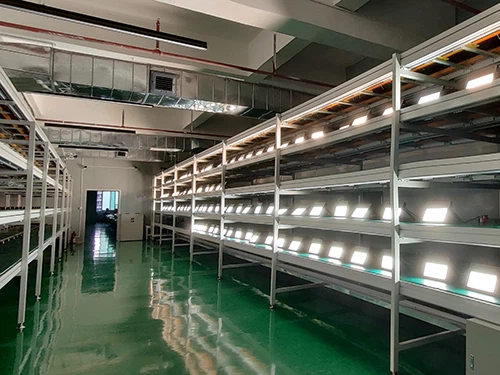
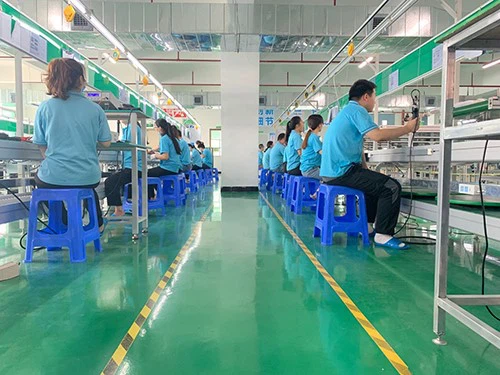
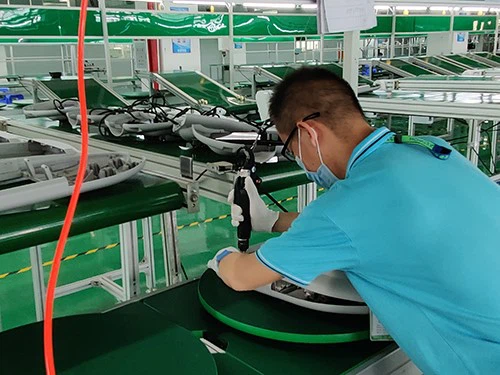
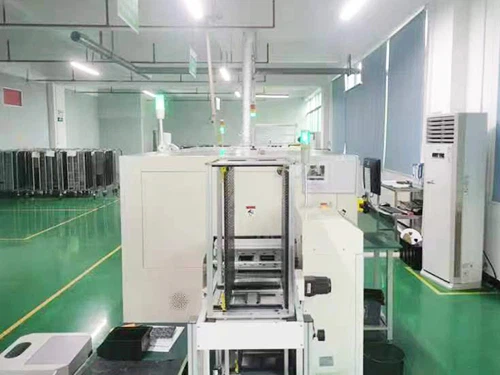
Factory
Q: Why is industrial lighting important?
Q: What is industrial use of light?
Q: What is the name of industrial lighting?
Q: Is industrial lighting still in style?
Q: What is the best lighting for industrial buildings?
Q: How long do industrial lights last?
Q: What is industrial fluorescent lamp?
Q: What are lighting requirements?
Q: Hat is the spacing for industrial lighting?
Q: What are the benefits of industrial lighting?
Q: What are the benefits of good lighting in workplace?
Q: What is industrial lighting?
Q: What are the factors considered for industrial lighting?
Q: What are the applications of lighting in industry?
Q: What are the 4 components of lighting system?
Q: How can I improve energy efficiency in industrial lighting?
Q: What is the recommended light level for industrial settings?
Q: What are the benefits of LED lighting for industrial applications?
Q: Why is industrial lighting important?
Q: What is the purpose of lighting in industries?
As one of the leading industrial lighting suppliers in China, we warmly welcome you to buy bulk discount industrial lighting from our factory. All customized products are with high quality and competitive price. Contact us for quotation.
stadium light for amateur sports events, outdoor lighting landscape lights, stadium light with color changing option(0/10)



