Customer Satisfaction
We are committed to delivering high quality services that exceed our clients' expectations. We strive to ensure that our clients are satisfied with our services and work closely with them to ensure their needs are met.
One-stop service
We promise to provide you with the fastest reply, the best price, the best quality, and the most complete after-sales service.
Expertise and Experience
Our team of experts have years of experience in delivering high quality services to our clients. We hire only the best professionals who have a proven track record of delivering exceptional results.
Quality Assurance
We have a rigorous quality assurance process in place to ensure that all our services meet the highest standards of quality. Our team of quality analysts checks each project thoroughly before it is delivered to the client.
State-of-the-art Technology
We use the latest technology and tools to deliver high quality services. Our team is well-versed in the latest trends and advancements in technology and uses them to provide the best results.
Competitive Pricing
We offer competitive pricing for our services without compromising on quality. Our prices are transparent, and we do not believe in hidden charges or fees.
LED Strip Lights
LED Strip Lights are one of the most popular types of Strip Lights available. They are energy efficient, long lasting, and come in a variety of colors and brightness levels. LED Strip Lights can be cut to size, making them easy to install in a variety of applications.
RGB LED Strip Lights
RGB LED Strip Lights allow you to change the color of the light using a remote control or smartphone app. They are available in a variety of colors and can create a variety of lighting effects.
RGBW LED Strip Lights
RGBW LED Strip Lights are similar to RGB LED Strip Lights, but they also include a white LED. This allows you to create a wider range of colors and lighting effects.
Flexible LED Strip Lights
Flexible LED Strip Lights are made from a flexible material that can be bent and shaped to fit a variety of applications. They are available in a variety of colors and brightness levels, and can be cut to size.
Waterproof LED Strip Lights
Waterproof LED Strip Lights are designed to be used in wet environments, such as bathrooms and outdoor areas. They are sealed to prevent water from entering the LEDS, and are available in a variety of colors and brightness levels.
Neon LED Strip Lights
Neon LED Strip Lights are designed to look like traditional neon lights, but are much more energy efficient and safer to use. They are available in a variety of colors and can be cut to size.
WiFi LED Strip Lights
WiFi LED Strip Lights can be controlled using a smartphone app or voice commands, allowing you to easily change the color, brightness, and other settings of the lights.
Dimmable LED Strip Lights
Dimmable LED Strip Lights allow you to adjust the brightness of the lights to create the desired atmosphere. They are available in a variety of colors and can be controlled using a remote control or smartphone app.
RGBIC LED Strip Lights
RGBIC LED Strip Lights allow you to control each individual LED, creating a more customized lighting effect. They are available in a variety of colors and can be controlled using a remote control or smartphone app.
LED Aluminum Profile
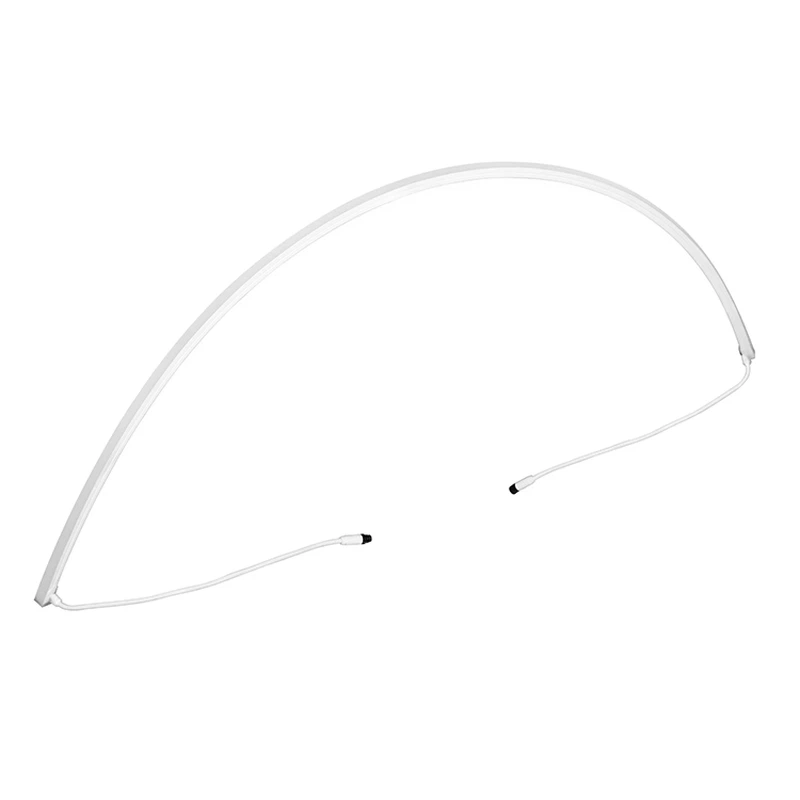
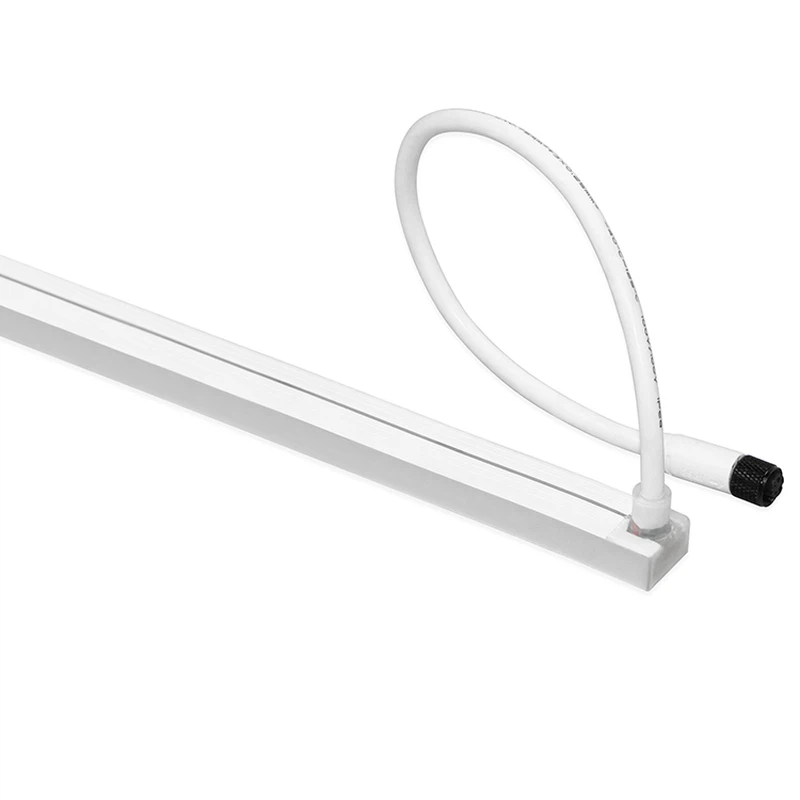
LED Aluminum Profile is a type of housing that is used to mount and protect LED Strip Lights. It is available in a variety of sizes and styles, and can be cut to size to fit your specific application.
Plan your installation
Decide where you want to install the strip lights and measure the area to determine the required length of the strips. Consider the purpose and desired effect of the lighting.
Prepare the surface
Ensure the installation surface is clean, dry, and free from dust or debris. If needed, use appropriate tools to clean the area.
Cut the strip lights
If the strip lights are longer than the intended installation area, use a sharp scissors or a cutting tool provided with the lights to cut them to the desired length. Make sure the cut is straight and precise.
Mount the strip lights
Depending on the surface, you may use adhesive backing, screws, or clips to mount the strip lights. Follow the manufacturer's instructions for the specific mounting method.
Connect the power source
Plug the strip lights into a power source, such as an outlet or a battery pack. Make sure to follow the correct polarity when connecting the lights.
Test the lights
Turn on the power and check if all the lights are functioning properly. If there are any issues, double-check the connections and make necessary adjustments.
Secure and hide the wires
If using wired strip lights, route the wires neatly and use wire management tools or channels to hide them for a clean and professional look.
Consider additional features
Some strip lights offer dimming options or color-changing capabilities. Install a compatible controller or use a smart home system to take advantage of these features.
Weatherproofing
If installing the strip lights outdoors, ensure they are rated for outdoor use and take necessary steps to protect them from the elements, such as using sealant or covers.
Fine-tune the lighting
Adjust the placement and angle of the strip lights to achieve the desired lighting effect. You can add or remove lights to create different intensities and focal points.
Color Representation
RGB strip lights consist of red, green, and blue LEDs, allowing for a wide range of color combinations. By varying the intensity of each color, you can create virtually any color. RGBW strip lights, on the other hand, add a white LED to the mix, providing an additional white light component.
White Light Generation
The addition of the white LED in RGBW strip lights enables the creation of a broader range of white light shades. This makes it easier to achieve pure white or warm white lighting, as well as custom white tones by combining the white with the RGB colors.
Color Accuracy and Saturation
RGB lights offer high color accuracy and saturation, allowing for precise and vibrant color displays. RGBW lights can also produce accurate colors but may have slightly different tones due to the presence of the white LED.
Lighting Effects
Both RGB and RGBW strip lights can be used to create various lighting effects, such as color cycling, dimming, and dynamic patterns. However, RGBW provides more flexibility in achieving different white light hues and intensities.
Application Purposes
The choice between RGB and RGBW depends on the specific application. RGB is often preferred for mood lighting, accentuation, and creating dynamic color schemes. RGBW is suitable for applications where a broader range of white light options is needed, such as in areas that require both colored and white lighting.
Cost
Generally, RGBW strip lights may be slightly more expensive than RGB due to the additional white LED. However, the cost difference may not be significant depending on the brand and quality.
Compatibility
Make sure to check the compatibility of the strip lights with the control system or smart home devices you plan to use. Some systems may have specific requirements for either RGB or RGBW lights.
Yes, most strip lights can be cut to size to fit the specific dimensions of your installation area. Here's a detailed guide on how to cut strip lights to size:
Prepare the tools
You'll need a pair of scissors or a cutting tool specifically designed for strip lights. Make sure the tools are sharp and clean to ensure a clean cut.
01
Measure and mark
Before cutting, measure the area where you want to install the strip lights and mark the desired length on the strip itself. Use a ruler or tape measure for accuracy.
02
Make the cut
Carefully follow the marked line and make a clean cut through the strip lights using scissors or a cutting tool. Take your time to ensure a straight and precise cut.
03
Test the lights
After cutting, plug in the strip lights to test if they are still functioning properly. If there are any issues, double-check the connections and make necessary adjustments.
04
Install the strip lights
Once you've confirmed that the lights are working, install them following the manufacturer's instructions. Use the appropriate mounting hardware or adhesive to secure the strip lights in place.
05
Remote Control
Many strip lights come with a remote control that lets you turn the lights on and off, adjust brightness, change colors, and choose different modes. The remote may use infrared, radio frequency (RF), or Wi-Fi connectivity to communicate with the strip lights.
Mobile App
Some strip lights can be controlled using a dedicated mobile app on your smartphone or tablet. These apps offer more advanced features and options, such as dimming, color temperature adjustment, scene presets, and scheduling. You can usually download the app from the App Store or Google Play.
Voice Control
If you have a smart home system like Amazon Alexa or Google Assistant, you can often control strip lights using voice commands. Make sure the strip lights are compatible with your chosen voice assistant platform.
Button Panel
Some strip lights have built-in button panels that allow you to directly control the lights on the device itself. These buttons may provide basic functions like on/off, dimming, or color changing.
Third-Party Controller
If you have a more complex lighting setup or want more advanced control options, you can use a third-party controller. These controllers can connect to your strip lights via Wi-Fi or Bluetooth and offer additional features like dimming, color temperature adjustment, scene presets, and scheduling.
USB Interface
Some strip lights can be controlled directly from a computer via a USB interface. You can use software provided by the manufacturer to configure and control the strip lights.
Sync with Music or Ambient Light.Some strip lights support syncing with music or ambient light, creating dynamic lighting effects that respond to the rhythm or environment.
Can Strip Lights be used outdoors
Weather Resistance
When using strip lights outdoors, make sure they are weather-resistant or waterproof to protect them from rain, snow, and other elements. Look for strip lights with an IP rating (ingress protection rating) suitable for outdoor use, such as IP65 or IP67.
Temperature Resistance
Outdoor strip lights should also be able to withstand temperature extremes. Check the manufacturer's specifications to ensure they can operate in your climate.
Mounting Options
Choose strip lights with appropriate mounting options for outdoor use, such as screws, clips, or adhesive backing. Make sure the mounting method is secure and can withstand the elements.
Power Source
If using strip lights outdoors, consider using a low-voltage power source to reduce the risk of electrical shock. solar energy-powered strip lights are also a good option for outdoor use, as they rely on renewable energy and don't require a power connection.
Controller Options
If you need to control the strip lights remotely or via a mobile app, choose strip lights that are compatible with the corresponding smart home systems or controllers.
Waterproof Connectors
If using strip lights in wet areas or near water features, use waterproof connectors or seals to prevent water from entering the electrical connections and causing shorts.
UV Resistance
If the strip lights will be exposed to direct sunlight, make sure they have sufficient UV resistance to prevent fading or damage over time.
Winterization
If using strip lights in cold climates, follow the manufacturer's instructions for winterization to protect the lights from freezing temperatures and water damage.
Regular Inspection
Regularly inspect the strip lights for any signs of damage or wear, especially after exposure to the elements. Replace or repair as needed to maintain their performance and safety.
Safety Considerations
When using strip lights outdoors, follow proper electrical safety practices and consult a professional electrician if needed to ensure a safe installation.
Can Strip Lights be used in water
Most strip lights are not designed to be used in water directly. They are typically used for indoor and outdoor lighting applications where they are protected from moisture and water exposure.
However, there are some strip lights available that are specifically designed for underwater use or aquatic environments. These lights are typically waterproof or submersible and are sealed to prevent water from entering the electrical components.
If you plan to use strip lights in a water environment, it is important to choose a product that is designed for that purpose and ensure that it is properly installed and sealed to prevent water from causing damage or electrical shorts.
It is also important to note that even waterproof strip lights should not be used in saltwater or chlorine-containing water, as these substances can corrode the electrical components and shorten the lifespan of the lights.
Most strip lights are not suitable for use in water, but there are some waterproof or submersible options available for specific aquatic applications. It is important to choose the right product and install it properly to ensure safe and reliable operation.
What is the difference between single-color and multi-color Strip Lights
Single-color strip lights are designed to emit a single color of light, usually in a range of colors such as white, warm white, cool white, red, green, blue, and yellow. They are typically used for general lighting applications or to create a specific mood or atmosphere.
Multi-color strip lights, on the other hand, are capable of emitting multiple colors of light simultaneously or in sequence. They often have RGB (red, green, blue) LEDs that can be controlled separately to produce a wide range of colors and lighting effects. Multi-color strip lights are commonly used for decorative lighting, mood lighting, and creating dynamic lighting displays.
One of the main differences between single-color and multi-color strip lights is the level of control and customization available. Single-color strip lights typically have limited control options, such as on/off or dimming, while multi-color strip lights often offer more advanced control features, including color changing, color temperature adjustment, and programmable effects.
Another difference is the application and intended use. Single-color strip lights are more suitable for general lighting purposes, while multi-color strip lights are better suited for creating visual interest, enhancing ambiance, and adding a decorative element to a space.
The main differences between single-color and multi-color strip lights are the number of colors they can emit, the level of control and customization available, and their intended application. Single-color strip lights are more basic and versatile, while multi-color strip lights offer more creative possibilities for lighting design.
Yes, strip lights can be used in a bedroom for various purposes, such as providing general lighting, creating a relaxing atmosphere, or adding a decorative element to the space.
Lighting intensity
Choose the appropriate brightness and color temperature of the strip lights to create a comfortable and relaxing environment. For a bedroom, soft and warm lighting is often preferred to promote relaxation and sleep.
Placement
Consider where to install the strip lights to achieve the desired lighting effect. They can be placed along the ceiling, behind furniture, or along the edges of the room to provide ambient lighting or accent lighting.
Control options
Look for strip lights that offer convenient control options, such as dimming, color changing, or remote control. This allows you to adjust the lighting according to your needs and preferences.
Safety
Ensure that the strip lights you choose are safe and comply with electrical standards. Check for features such as low voltage operation, proper insulation, and certification marks to ensure the safety of you and your family.
Privacy and comfort
If the strip lights are visible from outside the bedroom, consider using translucent or frosted covers to prevent light from bleeding into adjacent rooms or outside.
Compatibility with other lighting
When using strip lights in a bedroom, it's important to consider their compatibility with other lighting sources, such as ceiling lights or bedside lamps. Integrating strip lights with a comprehensive lighting plan can create a balanced and harmonious lighting environment.
Efficient, progressive and co-prosperity are our purpose and principle. Our company uphold the concept of Moral management, make friends with clients, providing customers with better coordination and amazing service.


Q: What is a strip light?
Q: How does a strip light work?
Q: What are the advantages of using strip lights?
Q: Where are strip lights commonly used?
Q: What are the different types of strip lights?
Q: Can strip lights be cut to fit specific lengths?
Q: How do you control strip lights?
Q: Can strip lights be dimmed?
Q: Are strip lights safe to use?
Q: Can strip lights be used outdoors?
Q: How do you install strip lights?
Q: How do you maintain strip lights?
Q: Can strip lights be used as the main source of lighting in a room?
Q: Are strip lights energy-efficient?
Q: Can strip lights be used on curved surfaces?
Q: How long do strip lights last?
Q: Are strip lights expensive?
Q: How are LED strip lights installed?
Q: How do I install LED strip lights in a car?
Q: Can LED strip lights be used to create a backlit sign?
As one of the leading strip light suppliers in China, we warmly welcome you to buy bulk discount strip light from our factory. All customized products are with high quality and competitive price. Contact us for quotation.
outdoor lighting bulbs, power plant lighting, stadium light for evening events(0/10)



