
Professional team
Our professional team collaborate and communicate effectively with one another, and are committed to delivering high-quality results. They are capable of handling complex challenges and projects that require their specialized expertise and experience.

Innovation
We are dedicated to improving our systems continually, ensuring that the technology we offer is always cutting edge.

One stop solution
We can offer a range of services, from consultation and advice to product design and delivery. It is a convenience for the customers, as they can get all the help they need in one place.

24h online service
We try and respond to all concerns within 24 hours and our teams are always at your disposal in case of any emergencies.

Patent arm street light
The lamp body is made of high quality aluminum street lamp shell, simple and fashionable appearance. The appearance is designed with anodic oxidation, heat dissipation device and lamp shell, which has good corrosion resistance and heat dissipation performance. The thickened aluminum can improve the instant heat conduction.
Single arm street light
Housing ADC12 Aluminum heat sink, outdoor powder coating finish, ideal waterproof design.further improve the illumination rate, in order to achieve energy saving and environmental protection.


Old fashioned street lights
Its own characteristics irreversibility of light, and no diffuse reflection of light, to ensure the illumination rate;LED street lamps have secondary optical system, LED street lights into the required lighting areas.
Outdoor LED path lights
The development of LED street lamp is to choose the secondary electronic optics development way, the LED street lamp light illuminates the area of the lighting lamps, can make the lighting irradiation work efficiency is higher, therefore, in many areas want to apply LED street lamp.


lamp post
One component common to all types of street lights is the post, which rises from a base at the ground and supports the lighting element above. Street light posts contain the electrical wiring that connects the lights directly to the electric grid. Some posts also include a service door for gaining access to a street light's control unit and making repairs or adjustments from ground level.

Bulb
Most conventional street lights use halogen bulbs, which are similar in function and appearance to household incandescent bulbs.Fluorescent street light bulbs are fluorescent tubes, which contain a gas that reacts to a current to create illumination. Fluorescent street lights tend to use less energy than other bulbs and cast a greenish light, while halogen bulbs cast a warmer, orange light. Finally, light-emitted diodes, or LEDs, are the most efficient type of street light bulb. LEDs are semiconductors that produce a strong illumination and last much longer than bulbs.

Heat exchangers
LED street lights include heat exchangers to regulate temperature. These devices moderate the heat that an electrical current produces as it powers the LED. Heat exchangers use the passage of air over a series of fins to keep the lighting element cool and to make sure that the LED is able to produce even light without darker areas or "hot spots" that might otherwise occur.

Lens
LED and conventional street lights feature a curved lens that is usually made of heavy-duty glass or, more commonly, plastic. Street light lenses function to magnify the effect of the light inside. They also direct the light downward toward the street for maximum efficiency. Finally, street light lenses protect the delicate lighting elements inside. Fogged, scratched or broken lenses are much easier and cost-effective to replace than entire lighting elements.
Airports
Requiring both a significant lighting spread as well as intense lumen outputs, airports have uniquely demanding lighting requirements. They also have a wide range of different building types, structures and areas that need to be illuminated, making the fixture selection equally as varied. Flood lights, wall packs and street lights are the most popular for outdoor lighting, with UFO high bay and linear low bay lighting being the preferred choice for aircraft hangars and airport maintenance facilities.
Airplane hangars
Due to the extreme precision required when maintaining and storing aircraft inside hangars, the lighting fixtures chosen must produce exceptional lumen output in order to provide enough illumination to ensure safe, accurate and quality work. UFO high bays are the number one choice for this application, as they are some of the highest powered lighting fixtures available and provide exceptional lumen output from the high ceilings normally encountered in airplane hangars.
Manufacturing facilities
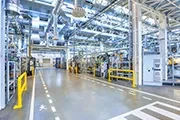
One of the most varied types of industrial applications, manufacturing facilities have significant lighting requirements in order to ensure worker safety as well as production efficiency. The types of lighting fixtures used vary considerably depending on the specific area, ranging from high bay fixtures to low bay lights and strip lighting.
Warehouse
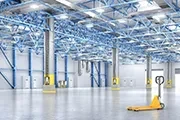
Warehouses require specially designed lighting fixtures that are able to provide necessary illumination over a wide area. Additionally, it’s important that these lighting fixtures can withstand prolonged use and harsh environments while requiring little to no maintenance.As such, the majority of the lighting fixtures used for storage facilities are designed to be rugged and weatherproof for outdoor use, Interior lighting is usually satisfied by the use of linear strip lights and flat panels depending on how the facility is configured.

Select the appropriate equipment
This equipment should include the types of bulbs, poles, or lamps to be used.Solar-powered streetlights are especially recommended in the lighting industry for remote or off-grid areas because of their ability to harness solar energy for later use. On the other hand, LED street lights are preferred for their long-lasting and energy-efficient properties. A brighter color temperature is ideal for busy roads, while a warm and natural hue is best for residential spaces since they are easier on the eyes.

Lay out the location and install the light poles
Before concluding the street light pole installation procedure, you should first lay out the future position of the lights. This involves measuring the space between each light and marking where the poles will be installed. After doing so, pour concrete to seal it before installing the light fixture on the pole.Your pole must be installed at the correct height and angle.

Connect your wiring
It generally involves first connecting a wire conduit to the power source before attaching the wire to the luminaire. Make sure your wiring is completely safe and properly grounded.

Test the street lights
After completing the installation process, you may assess the fruit of your labor. Test every light and observe them carefully for flickers and their levels of brightness.Streetlights require regular care and maintenance to ensure continuous efficiency for a long period.
Street lighting
Both rural and urban areas have a variety of streets, such as primary streets, secondary streets, etc.As technology advances, LED street lights are a cost-effective and sustainable option for roads and paths in cities, towns, and rural areas.
Intersection lighting
These Types of street lights are often used at road and street intersections so that drivers must make quick decisions when they spot potential hazards. In this case, LED street lights should be placed at intervals to keep the light even and eliminate the driver’s eyestrain. When necessary, high mast lights can be set up at intersections to provide necessary lighting for drivers and pedestrians.
Square lighting
Plaza lighting usually uses LED area lights and LED flood lights, but there are also many LED street light manufacturers that have also developed light distributions suitable for plaza lighting to reduce costs and expand the variety of product functions.
Parking lot lighting
Some shopping malls, supermarkets, and hospitals will be equipped with parking lots to provide convenience for people, and the parking lot lighting is thus generated. LED street lights and post-top lights provide bright, energy-efficient lighting for parking lots of all sizes. Different parking lots also require lights with various mounting options, including straight-arm pole mounts, adjustable skid mounts, wall mounts, and more.
Outdoor industrial and logistics area lighting
This large space needs to be illuminated by lamps at night to avoid the existence of dark areas, otherwise, it may increase the driver’s blind spot and increase potential risks. At the same time, the loading and unloading area also needs enough lighting to guide the driver, which is also convenient for workers to load and unload goods.
Non-motorized vehicles and sidewalk lighting
During lighting design, motor vehicle lanes, non-motor vehicles, and sidewalks will be arranged according to the requirements of the project. Usually, a light will be set up to illuminate non-motorized lanes and sidewalks. The purpose of setting lighting on such roads is to provide safe and comfortable lighting conditions for pedestrians and consumers.
Replace light bulbs regularly
They usually need to be replaced at least once every few months due to the wear and tear of everyday use. To ensure the street lights are always lit up, make sure you keep an eye on their bulbs and change them out as soon as possible when needed.

Check connectors and cords
Another important aspect of street light maintenance is to check the connectors and cords that connect the light to its power source. Check for any frayed wires, loose connections, or other signs of damage that can indicate a need for repair or replacement.
Inspect electrical components
Finally, workers should inspect the electrical components of the light to make sure it is operating correctly. This includes checking for any flickering or dimming that might indicate a problem with the wiring system. Additionally, workers can open up the casing and check for any loose wires or other signs of malfunction.

Clean up any dirt or debris
When it comes to keeping the street lights looking their best, don’t forget about the little things. If dirt or debris accumulates around the base of a light pole, it can be both unsightly and hazardous. That’s why it’s important to check for any dirt buildup and clean it up regularly to keep the street lights shining bright.
Tighten all screws and nuts
It’s also important to regularly check that all the screws and nuts in the street light are properly tightened. This will help keep the light securely in place and prevent it from wiggling or moving around, which can lead to long-term damage.
Test the motion sensors
For street lights that are equipped with motion sensors, it’s important to make sure they are functioning properly. All you have to do is wave your arm in front of the light at different distances and angles, and the light should turn on and off as expected. Doing this regularly will ensure that the lights are working as they should be.
The working principle of street lights is based on the concept of using electrical energy to produce light. Street lights are designed to provide illumination to the roads and streets at night, ensuring that drivers and pedestrians can see clearly.
The basic components of a street light include a light source, a power source, a control mechanism, and an optical system. The light source is usually a high-pressure sodium (HPS) lamp or a light-emitting diode (LED) lamp, which converts electrical energy into light energy. The power source is typically an AC power supply connected to the main power grid, which delivers electrical energy to the light source.
The control mechanism is responsible for regulating the lighting intensity and turning the street light on and off. It utilizes a set of sensors, timers, and switches to monitor the ambient light level, detect the presence of pedestrians or vehicles, and adjust the lighting accordingly. For example, during the day, the sensors will detect the natural light level and turn off the street lights. At night, the sensors will sense the low light level and turn on the street lights.
The optical system consists of a reflector, a lens, and a diffuser. It is responsible for distributing light evenly across the street and reducing glare, to provide a comfortable and safe lighting environment. The reflector directs the light downwards, while the lens focuses the light beam, and the diffuser scatters the light, resulting in a uniform illumination level.
The power supply method of street lights varies depending on the location and budget of the project. In some areas, the street lights are powered by the electrical grid. This means that the lights are connected to the local power supply and draw electricity directly from the grid. This method requires a constant and reliable supply of electricity, making it ideal for urban areas.
In other areas, the street lights are powered by solar panels. This method uses photovoltaic cells to convert sunlight into electricity, which is then stored in batteries. The stored energy is used to power the lights during the night. This method is ideal for rural areas that don't have access to an electrical grid.
Another power supply method of street lights is wind power. This method uses wind turbines to generate electricity, which is then used to power the lights. This method requires good wind conditions and is often used in areas with high wind speeds, such as coastal areas. Finally, some street lights are powered by a combination of different methods. For example, a street light may use solar panels during the day and switch to the electrical grid at night, or it may use a combination of wind and solar power.
What Is the Light Source of the Street Light
A street light typically uses a high-intensity discharge (HID) lamp, such as a high-pressure sodium (HPS) or metal halide (MH) lamp, as its light source. These lamps generate light by electrically stimulating gas or vapor inside a sealed bulb, which produces a bright, efficient output of visible light that can illuminate the surrounding area. In recent years, LED (light emitting diode) street lights have become increasingly popular due to their energy efficiency, longer lifespan, and ability to produce bright, reliable light with lower maintenance costs. Regardless of the type of lamp used, the light source is typically located at the top of a tall pole, which is designed to provide the widest possible coverage of the surrounding area.
Choosing the right street light can be crucial to ensuring safety and security for pedestrians and motorists, while also reducing energy costs and minimizing environmental impact.
Lighting Needs: Evaluate the type of area that needs lighting – is it a busy street with heavy traffic or a quiet residential area? The lighting needs can vary depending on the usage of the area.
Type of Light: LED lights are the most common type of street light due to their energy efficiency and durability. However, other options such as high-pressure sodium (HPS) or metal halide (MH) may also be considered based on the specific needs of the area.
Lumens: Lumens refer to the amount of light produced by a bulb or a fixture. A higher number of lumens means brighter light. Determine the lumens required based on the lighting needs of the area.
Wattage: Wattage refers to the amount of energy required to operate the light. Choosing a light with lower wattage can lead to significant energy savings over time.
Color Temperature: Color temperature refers to the color of the light produced, which can range from warm yellow to cool blue-white. Choose the color temperature based on the type of area being lit and the desired ambiance.
Dimming Capabilities: Dimming fixtures may be helpful in areas where lighting needs may vary throughout the day. This can lead to significant energy savings.
Environmental Considerations: Consider the environmental impact of the lights, such as their energy consumption and light pollution, before making a final selection.
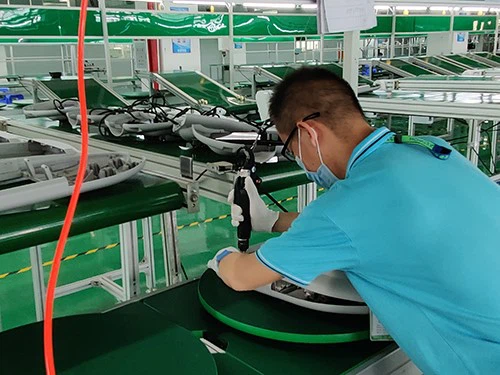
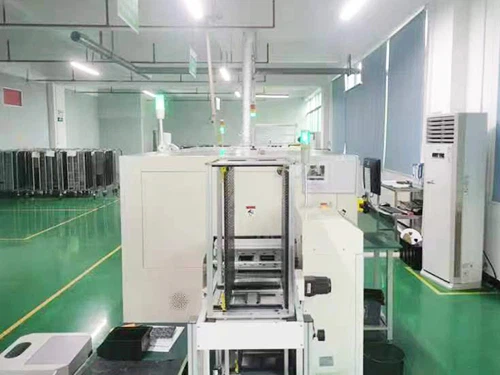
Factory
Q: What is the purpose of street lights?
Q: How would you describe streetlights?
Q: What happen if there is no street light?
Q: Why do we need lighting?
Q: What are the good things about street lights?
Q: How do street lights know when to change?
Q: What is the most common street light?
Q: What is the best type of street light?
Q: Why do we need more street lights?
Q: What is the useful life of street lights?
Q: Why Do Traffic Signal and Streetlight Bulbs Last So Long?
Q: Are street lights connected to electricity?
Q: How are street lights controlled?
Q: What is the most efficient street light?
Q: What do street lights contain?
Q: How are street lights operated?
Q: How are street lights connected?
Q: How do you maintain solar street lights?
Q: How do you clean streetlights?
Q: What are the application of street light?
As one of the leading street light suppliers in China, we warmly welcome you to buy bulk discount street light from our factory. All customized products are with high quality and competitive price. Contact us for quotation.
outdoor lighting recessed lights, outdoor lighting patio lights, outdoor lighting accessories(0/10)



