
Professional team
Our professional team collaborate and communicate effectively with one another, and are committed to delivering high-quality results. They are capable of handling complex challenges and projects that require their specialized expertise and experience.

Innovation
We are dedicated to improving our systems continually, ensuring that the technology we offer is always cutting edge.

One stop solution
We can offer a range of services, from consultation and advice to product design and delivery. It is a convenience for the customers, as they can get all the help they need in one place.

24h online service
We try and respond to all concerns within 24 hours and our teams are always at your disposal in case of any emergencies.
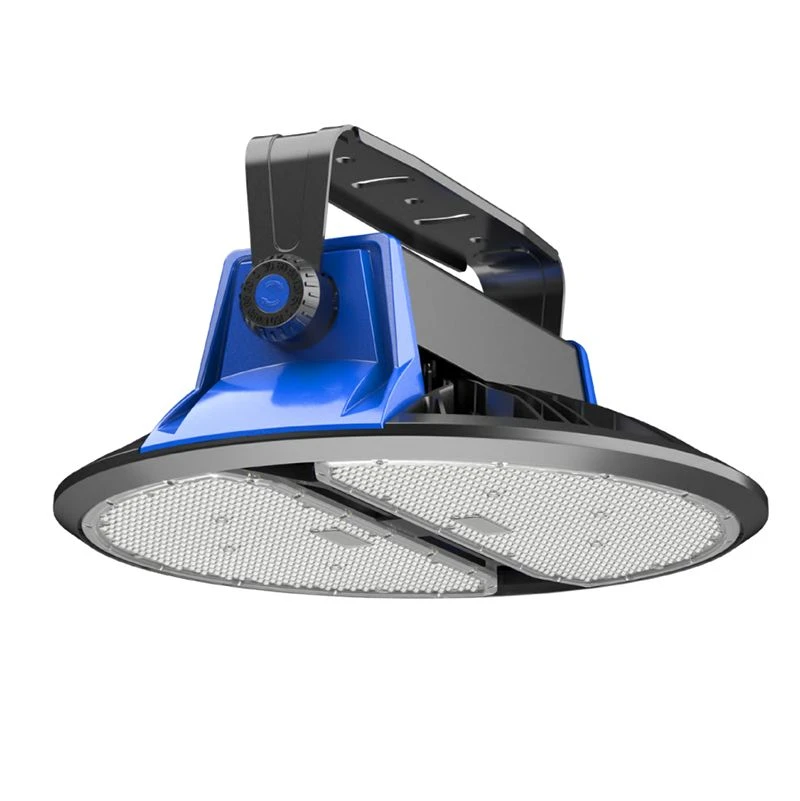
Round high bay light fixtures
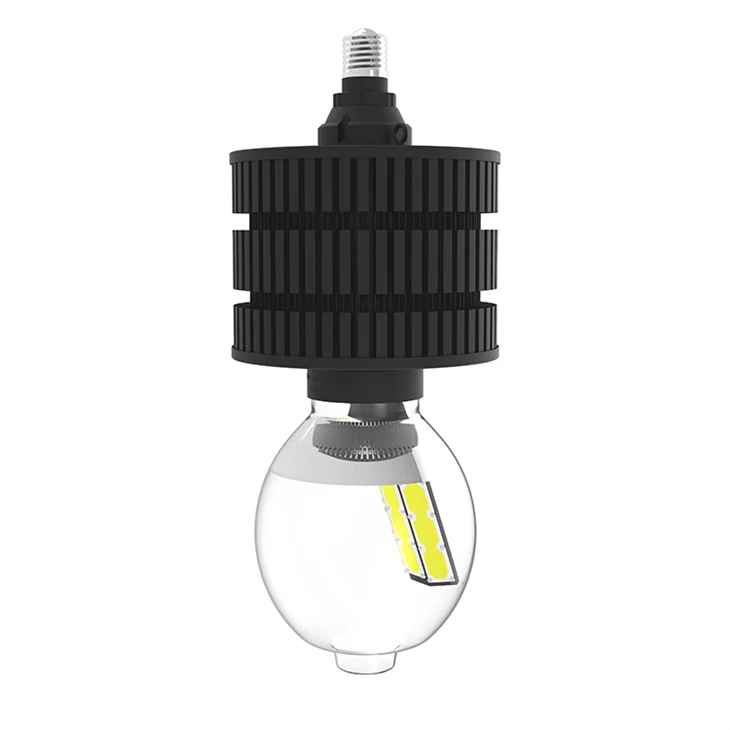
Commonly called UFO high bays because of their saucer-like shape, round LED high bay lights have only one contact point with the ceiling, making them the easiest high bays to install. Round high bay LED lights typically provide a circular light beam angle of about 120 degrees. This fairly large beam spread allows for widespread, but powerful, illumination.
Linear high bay light fixtures
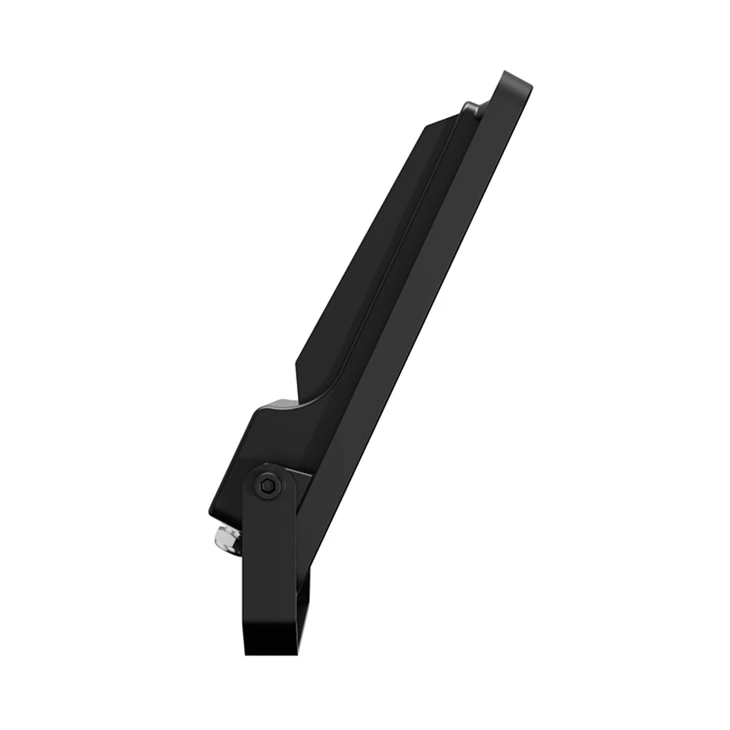
Linear high bay lights are commonly seen in grocery stores, wholesale retailers, warehouses and any other wide-open spaces with a lot of aisles or shelving. They can be mounted directly to the ceiling or hung with chains or cables, depending on your needs.
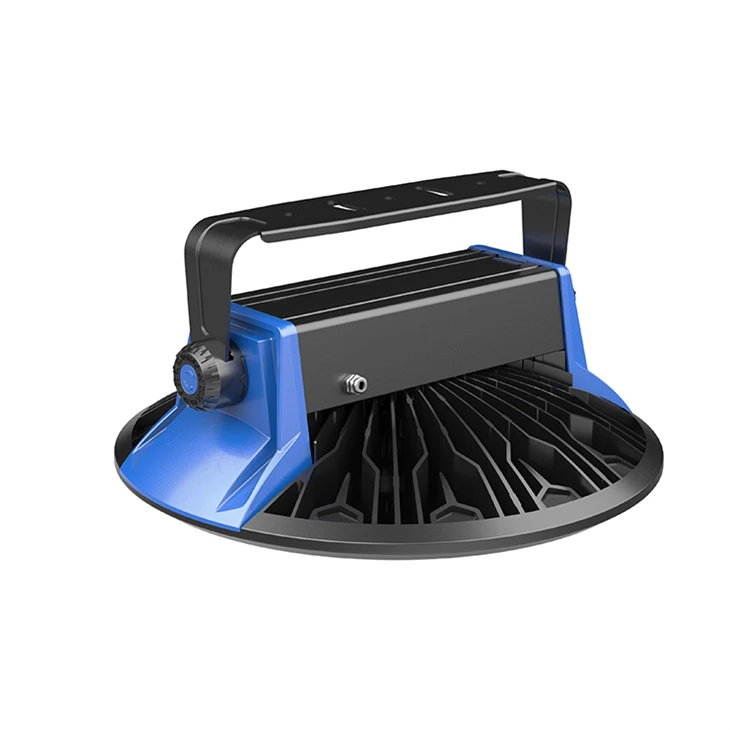
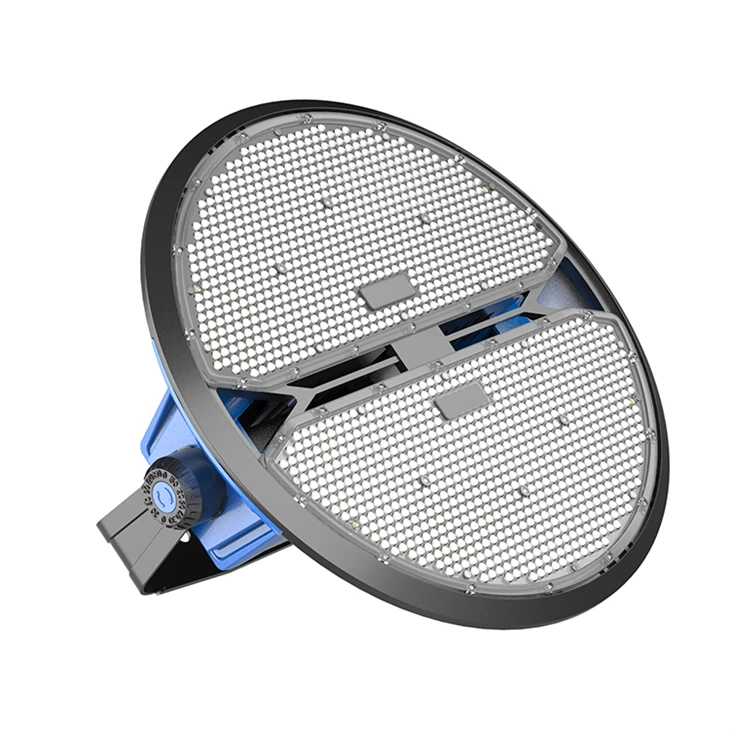
LED high bay lighting
LED high bay lighting is at the cutting edge of workspace lighting setups, and ideal for almost all large warehouse, factory, production, commercial or service areas.Energy efficiency is also vastly improved, resulting in anywhere from 50%-80% lower bills, and the lifespan of an LED bulb is typically many times longer than that of metal halide or fluorescent lamps.
High bay LED lights with motion sensors
High bay LED lights with motion sensors are designed to turn on when motion is detected and turn off when there is no motion. This feature helps save energy and prolong the lifespan of the light fixtures.
Shell
It is the outer enclosure that holds the various components of the high bay light together and protects them from external damage.
LED chips
These are the light-emitting diodes (LEDs) that produce the actual light output. LED technology is widely used in high bay lighting because of its energy efficiency and Long lifespan.
optical instrument
This includes reflectors, lenses or diffusers, and other optical components that help to control the light emitted from the LED chips or bulbs.
Heat sink
LEDs produce heat, and a heat sink is required to dissipate this heat away from the components to prevent overheating and ensure a long lifespan.
Drive adjustment
The driver regulates the power that is supplied to the LED chips or bulbs from the mains, and it also provides any additional control functionality, such as dimming or programmatic lighting.
Wiring
A mounting bracket is used to attach the high bay light to the ceiling or support structure.Internal wiring is used to connect the various components of the high bay light together and to connect the light to the mains power supply.
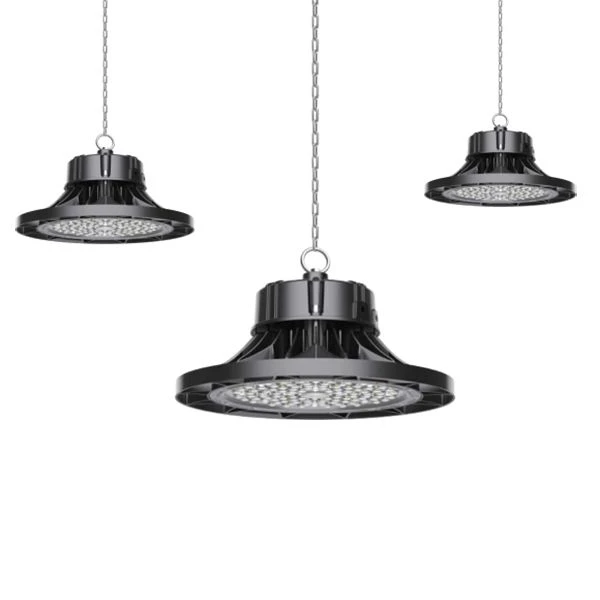
Determine the location of the high bay lights
Before you begin the installation process, you need to decide where the high bay lights will be installed. Factors such as ceiling height, the size of the room, and the type of activities taking place in the space will help determine the optimal location of the lights.
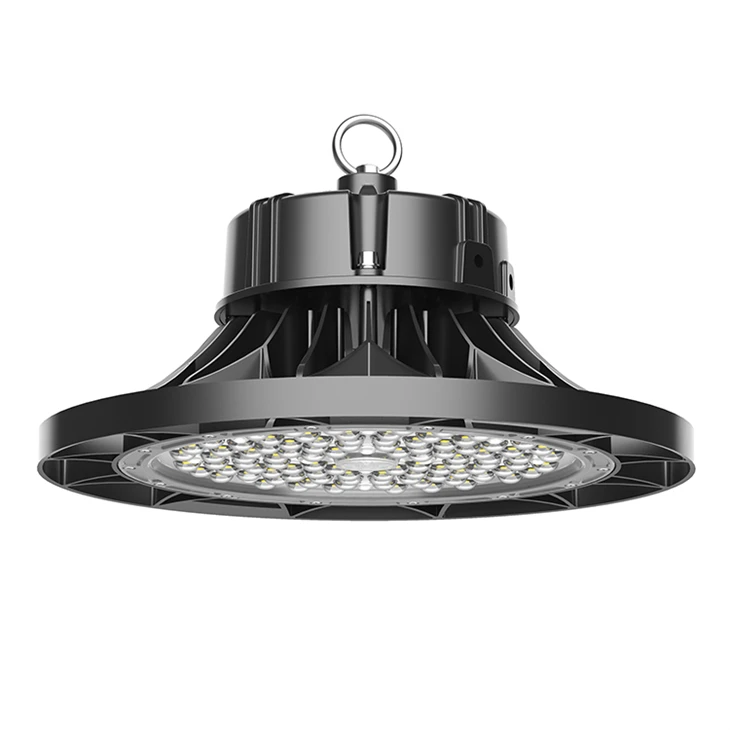
Install the mounting brackets
Once the location of the high bay lights has been determined, you need to install the mounting brackets. These brackets will be used to secure the light fixture to the ceiling. Make sure the brackets are securely attached to the ceiling and are level.
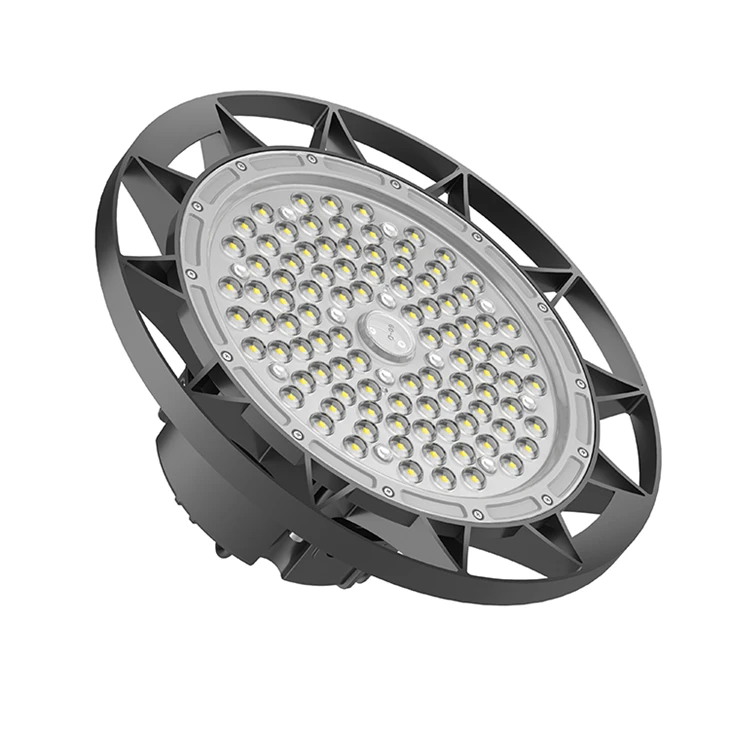
Run electrical wires
High bay lights require a power source, so you will need to run electrical wires from the power source to the location of the lights. This may involve running wires through conduit or using other forms of wiring that meet local electrical codes.
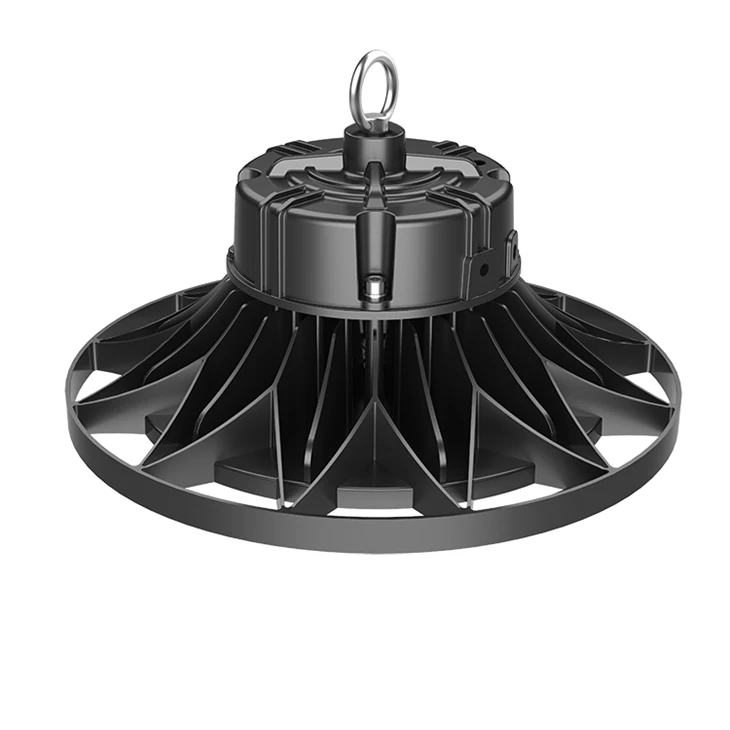
Hang the high bay lights
Once the mounting brackets are installed, you can hang the high bay lights. Make sure the lights are securely attached to the brackets and that all connections are tight.

Test the lights
Once the lights are installed, you need to test them to make sure they are working properly. Turn on the power and check each fixture to ensure it is emitting the desired level of brightness.
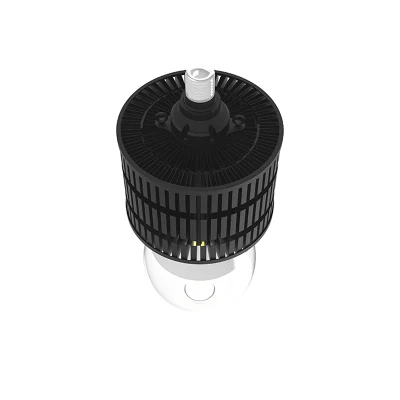
Adjust the lights
Once the lights are installed and tested, you may need to make adjustments to ensure they are providing optimal lighting for the space. This may involve adjusting the angle of the lights or adding additional fixtures to ensure even lighting throughout the space.
Lighting Requirements
One of the most important factors to consider when choosing high bay LED lights is the lighting requirements of your space. This includes the minimum light output, zonal lumen density, minimum luminaire efficacy, allowable CCTs, minimum CRI, and L70 lumen maintenance.
Mounting Height
The mounting height of your high bay LED lights is another important factor to consider. The higher the mounting height, the more powerful and focused the lights need to be. Make sure to choose high bay LED lights that are appropriate for your mounting height to ensure that your space is properly illuminated.
Beam Angle
Beam angle is another important factor to consider when choosing high bay LED lights. The beam angle determines the direction and spread of the light. A narrow beam angle is ideal for high ceilings, while a wider beam angle is better for lower ceilings. Make sure to choose high bay LED lights with the appropriate beam angle for your space.
Color Temperature
Color temperature is an important factor to consider when choosing high bay LED lights. Color temperature is measured in Kelvin and determines the warmth or coolness of the light. For industrial and commercial spaces, a color temperature of around 5000K is recommended for optimal visibility and productivity.
Warehouse lighting
Warehouse lighting is one of the most common scenarios for high bay light setups, where huge interior dimensions can make these spaces inherently challenging to illuminate uniformly. LED high bay setups have become very popular due to their significantly lower running and maintenance costs over time.and consume only a fraction of the power while delivering a more intense and consistent quality of illumination.
01
Shop lights
These are often seen mounted high above shop floors, usually recessed beneath large concave reflectors, helping them deliver bright and uniform lighting over wide areas. They’re particularly common in environments where surfaces are glossy, polished or reflective, which tends to suit the flat, colour-neutral and widely dispersed light quality of fluorescent lamps well.
02
Industrial lighting
largely because safety, precision and quality are key concerns in all industrial environments. Adaptable lighting setups are also valued in many industrial settings. LEDs are streets ahead of traditional lamps in that regard, often allowing for minute adjustment on the fly, and allowing users to create vastly different qualities and intensities of lighting in different zones of the workspace.
03
Loading bay lighting
Demand for around-the-clock access to these busy work areas makes installing a robust, well-planned loading bay lighting solution absolutely vital. Suitable loading bay setups must effectively light all general goods handling, traffic and transfer zones to maximise worker safety and efficiency.
04
Garage lights
Popular choices for high bay lights in garages, workshops and servicing facilities include both fluorescent and LED lamp setups. This is due to their suitability for use in environments where excellent colour rendition and minimal glare are needed to achieve the highest standards of craftsmanship, finishing and attention to detail.
05
Regular cleaning
Dust and grime can accumulate on the surface of high bay lights, reducing their efficiency. Regular cleaning of the lights can help maintain their brightness and functionality.
Inspect wiring
Over time, the wiring of the lights can become loose or damaged. Regular inspections of the wiring can ensure that everything is properly connected and functioning as it should.
Replace bulbs
If you notice that the brightness of the lights has decreased, it may be time to replace the bulbs. This will help restore their efficiency.
Check for damage
High bay lights can become damaged due to exposure to the elements or accidental impact. Regular inspections can help you identify any damage and take steps to repair or replace the lights.
High Bay Light is a type of lighting fixture that is commonly used in high-ceilinged spaces such as warehouses, factories, and gymnasiums. The material of the High Bay light is an important consideration for the overall performance, longevity, and safety of the lighting system.
The material commonly used for the body of High Bay lights is aluminum or copper because these materials have high thermal conductivity, which means they can efficiently dissipate the heat generated by the LED chips. This prevents overheating and ensures that the lighting system performs optimally and lasts longer.
The lenses or covers of High Bay lights are commonly made of polycarbonate or tempered glass because they are durable, resistant to impact, and can withstand harsh environmental conditions such as dust, humidity, and extreme temperatures. Additionally, these materials are also resistant to UV radiation, which prevents discoloration or yellowing of the lenses over time.
The LED chips used in High Bay lights are typically made of semiconductors such as gallium nitride, which is a highly efficient and long-lasting material that is also environmentally friendly. These LED chips are mounted onto a printed circuit board (PCB), which is usually made of high-quality thermal conductive materials such as aluminum or copper.
The material used for High Bay lights is critical in determining the overall performance, safety, and longevity of the lighting system. Choosing the right material can prevent premature failure, reduce maintenance costs, and ensure that the lighting system provides high-quality illumination for many years to come.
The Difference Between High Shed Lights and Low Shed Lamps
The difference between high shed lights and low shed lamps lies mainly in their illuminating power. High shed lights are designed to provide bright and intense illumination over a large area. They have high wattage and produce a strong beam of light that can reach and cover a significant distance. These lights are ideal for outdoor applications such as lighting up sports fields and large parking lots as well as industrial areas that require bright and extensive illumination.
On the other hand, low shed lamps are designed to provide subtle and soft illumination in a limited area. They have lower wattage and produce a diffused and warm light that is pleasing to the eye. Low shed lamps are ideal for indoor applications such as reading lamps and mood lighting in living rooms or bedrooms.
Another difference between high shed lights and low shed lamps is their energy usage. High shed lights use more energy than low shed lamps due to their high wattage and powerful illumination. Therefore, they consume more power and may result in higher energy bills. Low shed lamps, on the other hand, use less energy due to their lower wattage and softer illumination. This makes them more energy-efficient and cost-effective in the long run.
Things to Note When Using High Bay Light
1. Mounting Height - High bay lights are designed for ceiling mounting at a height of 20 feet or more. Ensure that the mounting height of the light is suitable for the intended space to achieve optimal illumination.
2. Light Angle - High bay lights come with different beam angles, including narrow, medium, and wide. Make sure to select the appropriate angle to suit your needs and ensure optimal light distribution.
3. Wattage - High bay lights come in different wattages, which determine their brightness levels. Carefully consider the required wattage to ensure the light output suits your needs while also minimizing energy usage.
4. Temperature - High bay lights generate heat during operation, which can affect their lifespan and performance. Choose lights with good thermal management to manage the heat effectively.
5. Maintenance - High bay lights require periodic maintenance to ensure optimal performance. Regular cleaning, inspection, and replacement of parts as needed will help maintain your lights' lifespan and maximize the return on your investment.
6. Safety - High bay lights can be a safety hazard if not held securely in place or if they become damaged or weakened. Regularly inspect all mounting hardware, cables, and connections to ensure everything is secure and safe.
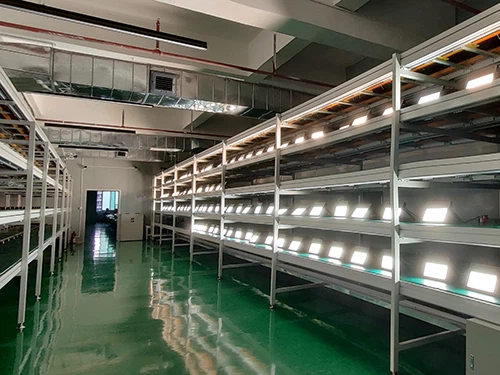
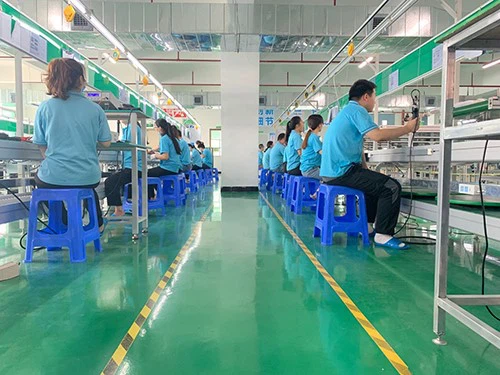
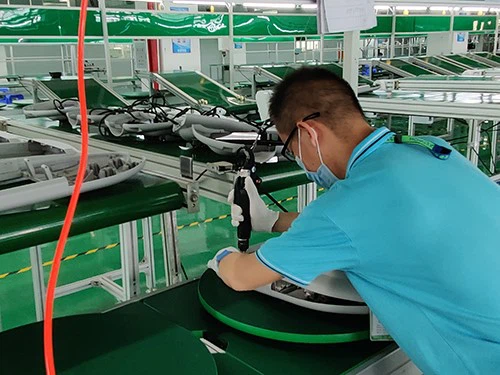
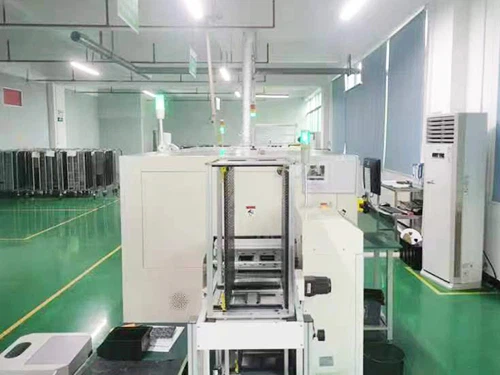
Factory
Q: What are the benefits of high bay lights?
Q: Do I need high bay lights?
Q: Where can I use High Bay lights?
Q: How long do High Bay LED lights last?
Q: What's the difference between high bay and low bay lights?
Q: Do High Bay LED lights get hot?
Q: Can you dim LED high bay lights?
Q: How many watts is a high bay light?
Q: What kind of bulbs are used in High Bay lighting?
Q: What are LED high bays?
Q: How to install high bay LED lights?
Q: How high to mount high bay LED lights?
Q: How many LED high bay lights do I need?
Q: Are High Bay lights dimmable?
Q: What size wire for high bay LED lights?
Q: What are the advantages of using an LED lamp in a high bay luminaire?
Q: Do I need high bay or low bay lighting?
Q: Why use high bay lights?
Q: How long do high bay lights last?
Q: How high should a high bay light be?
As one of the leading high bay light suppliers in China, we warmly welcome you to buy bulk discount high bay light from our factory. All customized products are with high quality and competitive price. Contact us for quotation.
power plant lighting, chemical plant lighting, refinery lighting(0/10)



