
Professional team
Our professional team collaborate and communicate effectively with one another, and are committed to delivering high-quality results. They are capable of handling complex challenges and projects that require their specialized expertise and experience.

Innovation
We are dedicated to improving our systems continually, ensuring that the technology we offer is always cutting edge.

One stop solution
We can offer a range of services, from consultation and advice to product design and delivery. It is a convenience for the customers, as they can get all the help they need in one place.

24h online service
We try and respond to all concerns within 24 hours and our teams are always at your disposal in case of any emergencies.


Metal halide lights
Metal halide lights are the most common type of stadium light. They offer high-intensity lighting and are ideal for outdoor sports, such as football, baseball, and soccer.
LED lights
LED lights are becoming increasingly popular in stadiums due to their high energy efficiency and long lifespan. They produce bright, high-quality lighting that is also good for players’ vision.
Halogen lights
Halogen lights are characterized by their bright, white light. They are often used for indoor sports, such as basketball and volleyball.
Fluorescent lights
Fluorescent lights are commonly found in indoor stadiums and gymnasiums. They offer good lighting quality and are one of the most energy-efficient options.
Sodium vapor lights
Sodium vapor lights are commonly used for outdoor stadiums and offer bright yellow lighting. They are not ideal for indoor sports due to their poor color rendering.

Light fixtures
These are the actual light bulbs that emit the light. They can be LED, HID, or fluorescent bulbs.This can be a variety of light bulbs, typically LED lights are used in modern stadiums due to their energy efficiency and longevity.

Light poles
These are the tall poles or towers that the light fixtures are mounted on. They can be made of steel or other materials.

Wiring
This includes all the electrical wiring needed to connect the light fixtures to the power source.Wiring that connects the lights to a power source and controls them.

Control system
These can be automated or manual systems for switching the lights on and off and adjusting their brightness and direction.and allows for dimming and changing the color of the lights.
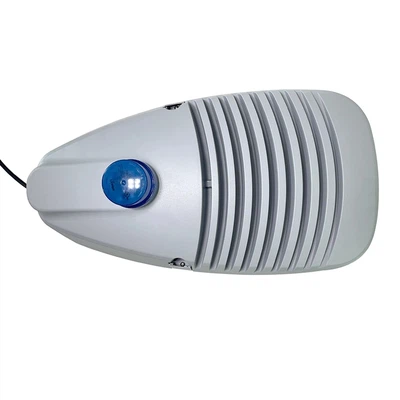
Power source
This is the electrical supply that provides power to the lights. It includes transformers and other equipment to regulate and distribute power.

Reflectors
These are the surfaces behind the light bulbs that help to direct and focus the light in a specific direction.This is the material used to control glare and light spillage, ensuring that the light is focused where it is needed and not in areas that could cause distraction
Quality components are the key to ensuring the performance, durability, and reliability of the LED stadium lights.These components can guarantee that the LED stadium lights have a high light output, a long lifespan, a low failure rate, and a stable performance.
Weatherproof design is the ability of the LED stadium lights to withstand harsh weather conditions, such as rain, snow, humidity, dust, and wind. You should look for LED stadium lights that have a protection rating of IP65 or higher, which means that they are dust-tight and water-resistant. You should also look for LED stadium lights that have a certification from Underwriters Laboratories, which means that they have passed rigorous safety tests and standards.
Color rendering index is the measure of how well the LED stadium lights reveal the true colors of objects. A higher CRI, ideally 75 and above, means that the LED stadium lights can produce accurate and vivid colors, similar to natural light. This can improve the visibility and clarity of the players, referees, spectators, and media personnel.
Color temperature is the measure of how warm or cool the LED stadium lights appear. The color temperature of the LED stadium lights should match the preference and the application of the light. For sports lighting, the recommended color temperature is 5000K, which represents pure white light and mimics the natural daylight. This can create a dynamic and attractive atmosphere that enhances the excitement and enjoyment of the game.
Glare is the unwanted and excessive brightness of the LED stadium lights that can cause eye strain and discomfort. Glare can also interfere with the vision and the performance of the players and referees. To reduce glare, you should look for LED stadium lights that have high-end optic lenses and shields that can control and direct the light beam. You should also consider the angle and the intensity of the LED stadium lights and adjust them according to the size and the shape of the field.
Beam angle is the angle of the light beam emitted by the fixture. It affects how the light is distributed and uniform on the ground. A smaller beam angle produces a brighter and more focused light, while a larger beam angle produces a dimmer and more spread light. The best beam angle depends on the height of the fixture, the size of the field, and the desired illumination level. For example, a lower height may need a larger beam angle to cover more area, while a higher height may need a smaller beam angle to avoid glare and light pollution.
The specifications of stadium lights may differ according to the venue's requirements, with common mounting heights varying from 40 to 60 feet for smaller arenas, extending beyond 100 feet for larger venues. LED stadium lights, favored for their energy efficiency and longevity, typically offer wattages from 400 to 1500 watts, producing a brightness of 60,000 to 200,000 lumens. The preferred color temperature for LED lights hovers around 5000 K for a neutral to cool white light, while color rendering indexes lie between 70 and 85, ensuring accurate color perception.The installation height is pivotal, with some lights positioned as low as 25 feet, but most are within the 40 to 60-foot range. Major sports complexes may install lights above 100 feet, capable of delivering over 300 footcandles on the ground—a stark contrast to the broader beam angles and lower 10-20 footcandle goals of standard street and parking lot lights.
Stadium lights work by using a combination of electrical power, reflectors, and bulbs to provide bright and focused beams of light across large areas. The lights used in stadiums are typically high-intensity discharge lights, which include metal halide and sodium vapor bulbs.These bulbs contain ionized gases and metallic elements that produce a bright, white light when energized by an electrical current. The bulbs are placed in fixtures that are designed to reflect and direct the light in a specific direction, allowing the light to be focused on the playing surface.The lights are typically mounted on towers or poles around the perimeter of the stadium, and they are powered by large electrical transformers that convert high-voltage electrical power into the lower voltage needed to power the bulbs. The light fixtures are also equipped with lenses that can be adjusted to control the direction and intensity of the light, allowing them to be customized for different applications.

Sports stadiums
Football stadiums, gymnasiums, soccer fields, baseball fields, cricket grounds, and rugby pitches all need abundant light to work. These lights ensure proper visibility for players and spectators during evening or nighttime events. They also illuminate indoor sporting venues for maximum clarity.
Concert venues
Stadium lights are a big part of concert venues and a significant element of the overall concert experience. This means stadium lighting is necessary to illuminate the stage and seating areas. Not only that, but these lights contribute to the whole atmosphere and visibility at the event, allowing the audience to see the performers and enjoy their time.


Commercial parking lots
They illuminate the open area and provide drivers and residents with the lighting they need as they park their vehicles. The bright lights from stadium lights also help strengthen the security of the place. Commercial parking spaces can be dangerous at night and stadium lights can help prevent criminal activity.
Country clubs and golf courses
Some stadium lights are dark sky-friendly and have precision optics, which can be beneficial for locations like this. These vital lights will help keep country clubs and golf courses well-lit and safe. It can also add to the aesthetics of the place, which will surely attract more customers and prospects.
Construction sites
Stadium lights matter when it comes to construction and industrial sites as well. These construction sites utilize bright and high-powered stadium lights during night shifts. This is to provide construction workers with the ample lighting they need to carry out construction activities safely and effectively.So not only will stadium lights improve their safety, but they will also lead to better productivity.
Film sets and TV productions
Movie and television production sets also benefit from stadium lights. This is because stadium lights can be used to create specific lighting conditions or to simulate daylight scenes in indoor settings. Of course, it can also provide the best lighting for actors and crew to continue working in dark, gloomy settings or at night.
Outdoor events and gatherings
Stadium lights can also be temporarily installed for a number of outdoor events. Reliable lighting can transform these outdoor events, especially those that are supposed to be lively and engaging. Good lighting from these stadium lights can also make the whole experience even more memorable for the people involved.
Install poles or towers
Determine the location where you want to install the stadium light. Make sure the area is cleared and free from any obstacles.Stadium lights are typically mounted on poles or towers. Make sure that the poles or towers are securely anchored to the ground.
Assemble the light fixtures
Choose the right type of fixtures that will fit your lighting needs for the size and layout of your venue.Follow the manufacturer's instructions to assemble the light fixtures.
Install the light fixtures
Use the power drill and screws to mount the fixtures onto the poles or towers.Carefully place the fixtures onto the mounting brackets, ensuring that they are secure and level.
Connect the wiring
Strip the wires on the light fixtures and connect them to the main power source using wire connectors. Use electrical tape to secure the connections.Connect the wiring from the fixtures to the power source using waterproof connectors.
Install a control system
Install a control system to switch on and off the stadium lights. This system can be managed using a switch or a remote.
Test the lights
Turn on the lights and test their brightness and direction. Make any necessary adjustments.Adjust the lights as needed to ensure that they are pointing in the right direction and not causing any glare or unwanted shadows.
Improve clarity
Enhancing the visibility and clarity of the players, referees, spectators, and media personnel. Stadium lights can improve the performance and accuracy of the players and referees by allowing them to see the ball, the field, and the opponents clearly. Stadium lights can also enhance the viewing experience and satisfaction of the spectators and the media personnel by allowing them to follow the action and capture the highlights of the game.
Create an atmosphere
Creating a dynamic and attractive atmosphere that enhances the excitement and enjoyment of the game. Stadium lights can create a dramatic and spectacular effect that adds to the ambiance and mood of the game. Stadium lights can also create a sense of spectacle and professionalism that attracts more fans and sponsors to the game.
Improve security
Improving the safety and security of the venue by deterring intruders and providing emergency lighting. Stadium lights can prevent unauthorized access and vandalism to the venue by making it visible and monitored.
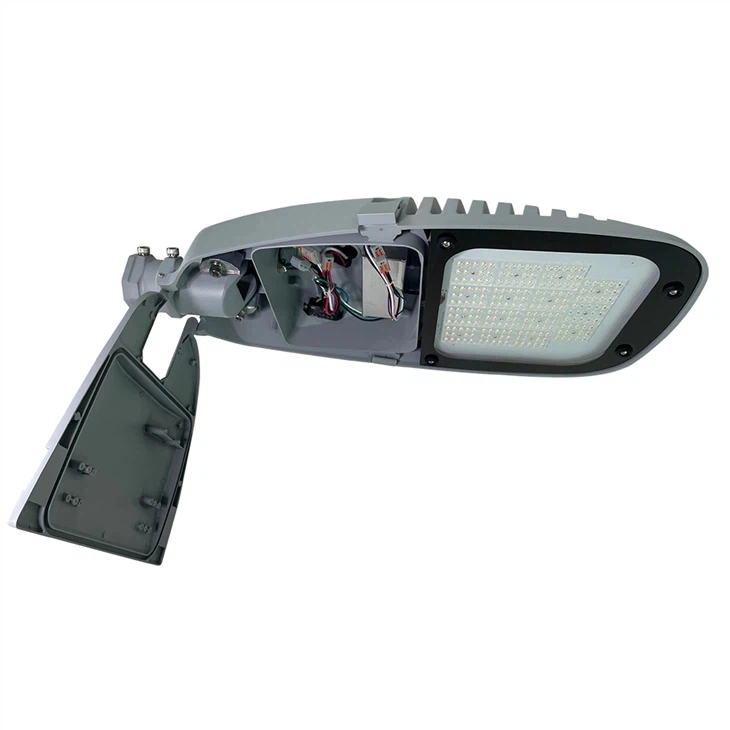
Regular cleaning
A regular cleaning can help to maintain your LED lighting system’s overall performance and prevent dirt and debris from accumulating on the fixtures. Accumulated dirt and debris can have negative effects on your LED lighting system in the long run, reducing the light output and the lifespan of the lights. It is recommended regular cleanings should be conducted with a soft cloth and mild detergent and avoid using abrasive cleaners or solvents that can damage the fixture.
Inspection
An inspection can help identify any issues in your LED lighting system before it develops into a major problem. It is recommended that an inspection be conducted at least twice a year and more frequently in areas with harsher weather conditions. It is important during these inspections to look for signs of wear and tear, loose connections, and any general damage to the fixtures.


Replacing faulty components
If any component in your LED lighting system is found to be defective during your inspection, it must be replaced immediately. A faulty component in your LED lighting system can negatively impact the lights’ overall performance and lifespan. Any and all replacements of an LED lighting system component should be handled by a trained and certified professional.
Control system maintenance
The lighting control system is what controls each of your LED sports field lights. It is important to conduct regular maintenance on the lighting control system to ensure the lights operate at peak performance. Proper maintenance of the lighting control system includes software updates to improve energy efficiency, cleaning of the control panels, and regular testing of the control system.

Design and Prototyping
The first step in the manufacturing process is the design of the stadium lamps. Engineers and designers use computer-aided design (CAD) software to create 3D models of the lamps. Once the design is finalized, a prototype is created to test and verify the design.
Mold Making
Once the design is finalized and the prototype is approved, the next step is to create molds for the lamp components. These molds are made using CNC machines and are precision-cut to ensure accuracy and consistency in the final product.
Manufacturing of Components
After the molds are created, the manufacturing of the various components of the stadium lamps can begin. These components may include the lamp housing, the internal wiring, the glass cover, and any other parts required for assembly. The components are manufactured using various metals, plastics, and other materials as required.
Assembly
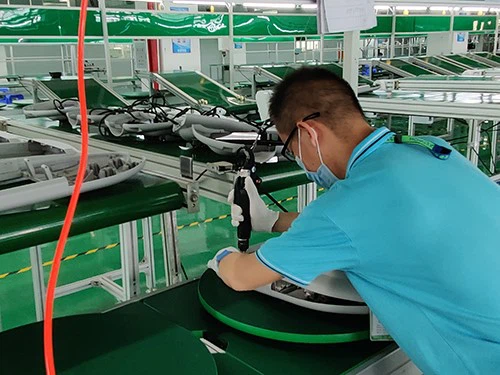
Once all the components are manufactured, the next step is the assembly of the stadium lamps. This involves fitting the various components together and connecting the wiring. Assembly is done using a combination of manual labor and automated machines. Quality control checks are performed throughout the assembly process to ensure that all the lamps meet the required specifications.
Testing
After assembly, each lamp is tested to ensure that it works properly and meets the required standards. Testing may include a visual inspection, electrical testing, and other quality control measures.
Packaging and Shipping
Once the testing is complete, the stadium lamps are packaged and prepared for shipping to their final destination. The lamps may be shipped to a warehouse or directly to the customer. Proper packaging is critical to ensure that the lamps are protected during shipping and arrive at their destination in good condition.
Choosing the best LED stadium lights for your project can be a challenging task, as there are many factors to consider, such as the quality, the weatherproof, the color rendering, the color temperature, and the glare reduction of the lights. Here are some tips to help you make the right decision:
● Prioritize quality components
Quality components are the key to ensuring the performance, durability, and reliability of the LED stadium lights. You should look for LED stadium lights that use high-end components from reputable manufacturers such as Invetronics, Sosen, or UpowerTek fully isolated for the LED driver, and Seoul, Epistar, Bridgelux or Lumileds at 145+ lumens to watt and for the LED module. These components can guarantee that the LED stadium lights have a high light output, a long lifespan, a low failure rate, and a stable performance.
● Ensure weatherproof design
Weatherproof design is the ability of the LED stadium lights to withstand harsh weather conditions, such as rain, snow, humidity, dust, and wind. You should look for LED stadium lights that have a protection rating of IP65 or higher, which means that they are dust-tight and water-resistant. You should also look for LED stadium lights that have a certification from Underwriters Laboratories (UL), which means that they have passed rigorous safety tests and standards.
● Emphasize high color rendering index (CRI)
Color rendering index (CRI) is the measure of how well the LED stadium lights reveal the true colors of objects. A higher CRI, ideally 75 and above, means that the LED stadium lights can produce accurate and vivid colors, similar to natural light. This can improve the visibility and clarity of the players, referees, spectators, and media personnel.
● Consider light color temperature (CCT)
Color temperature (CCT) is the measure of how warm or cool the LED stadium lights appear. The color temperature of the LED stadium lights should match the preference and the application of the light. For sports lighting, the recommended color temperature is 5000K, which represents pure white light and mimics the natural daylight. This can create a dynamic and attractive atmosphere that enhances the excitement and enjoyment of the game.
● Mitigate glare effectively
Glare is the unwanted and excessive brightness of the LED stadium lights that can cause eye strain and discomfort. Glare can also interfere with the vision and the performance of the players and referees. To reduce glare, you should look for LED stadium lights that have high-end optic lenses and shields that can control and direct the light beam. You should also consider the angle and the intensity of the LED stadium lights and adjust them according to the size and the shape of the field.
● Beam Angles
Beam angle is the angle of the light beam emitted by the fixture. It affects how the light is distributed and uniform on the ground. A smaller beam angle produces a brighter and more focused light, while a larger beam angle produces a dimmer and more spread light. The best beam angle depends on the height of the fixture, the size of the field, and the desired illumination level. For example, a lower height may need a larger beam angle to cover more area, while a higher height may need a smaller beam angle to avoid glare and light pollution.
Beam angle is one of the most important factors in stadium lighting. It is determined by the high-end optics of the lights, which are designed and manufactured with precision and quality. The right beam angle can create even and optimal lighting for the field, without any gaps or angles that can affect the game. The wrong beam angle can spoil the effect or even cause blinding cross-beams that can interfere with the game. Depending on the size of the field and the budget, different beam angles can be used to achieve the best overhead and sideline coverage.
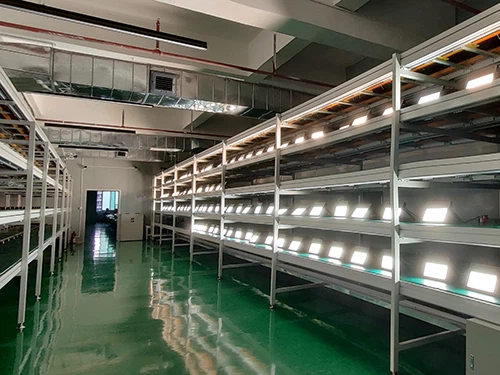
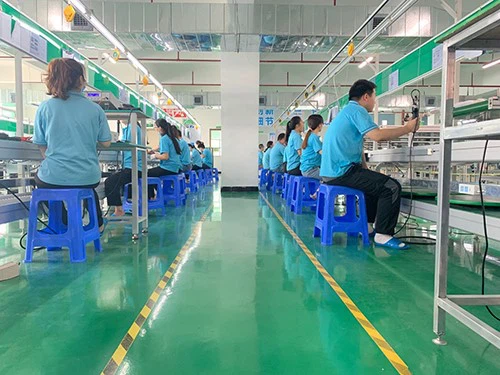
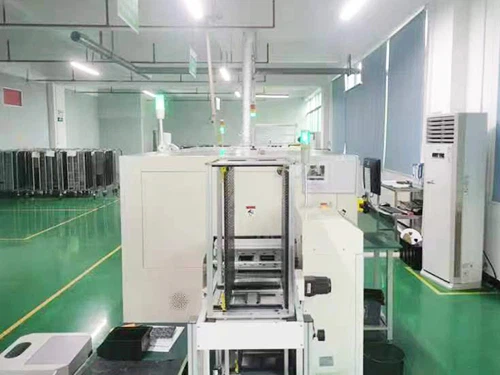
Factory
Q: How powerful is a stadium light?
Q: Why are stadium lights on at night?
Q: Are stadium LED lights good?
Q: Why do some stadium lights point up?
Q: What type of light are stadium lights?
Q: What kind of lights are stadium lights?
Q: How do stadium lights work?
Q: What are stadium lights called?
Q: Why is stadium lighting important?
Q: How long do stadium lights last?
Q: Why are stadium lights called floodlights?
Q: Do stadium lights have UV?
Q: How bright are stadium lights?
Q: What are stadium lights made of?
Q: Are stadium lights always on?
Q: How many watts are stadium lights?
Q: How big are stadium lights?
Q: How do they change stadium lights?
Q: What are the requirements for lighting a sports stadium?
Q: Why is lighting maintenance important?
As one of the leading stadium light suppliers in China, we warmly welcome you to buy bulk discount stadium light from our factory. All customized products are with high quality and competitive price. Contact us for quotation.
stadium lighting solutions, stadium light for track and field, stadium light replacement(0/10)



