
Professional team
Our professional team collaborate and communicate effectively with one another, and are committed to delivering high-quality results. They are capable of handling complex challenges and projects that require their specialized expertise and experience.

Innovation
We are dedicated to improving our systems continually, ensuring that the technology we offer is always cutting edge.

One stop solution
We can offer a range of services, from consultation and advice to product design and delivery. It is a convenience for the customers, as they can get all the help they need in one place.

24h online service
We try and respond to all concerns within 24 hours and our teams are always at your disposal in case of any emergencies.
LED flood lights
These are the most common type of flood lights and are highly energy-efficient, long-lasting, and produce very little heat. They come in a range of brightness levels, color temperatures, and beam angles.
Halogen flood lights
Halogen flood lights are bright, inexpensive, and produce a warm, yellowish light. However, they are not as energy-efficient as LED flood lights and have a shorter lifespan.
Metal halide flood lights
These flood lights are brighter than halogen lights and produce a bright white light, making them popular for outdoor sports lighting or large area lighting. However, they have a longer warm-up time and are less energy-efficient than LED flood lights.
High-pressure sodium flood lights
These flood lights produce a yellow-orange light and are highly energy-efficient, making them a popular choice for street lighting. However, they have a longer warm-up time and are not as bright as LED flood lights.
Solar-powered flood lights
These flood lights use solar panels to convert sunlight into electricity, making them ideal for off-grid lighting solutions. They are typically energy-efficient, easy to install, and low-maintenance.
RGB flood lights
These flood lights come with multiple color options, making them ideal for creating dramatic lighting effects or for use in stage lighting.


Bulb or lamp
Flood lights are equipped with high-intensity bulbs that emit bright light, typically between 1000 and 5000 lumens. The bulbs or lamps can be halogen, incandescent, LED, or HID (High-Intensity Discharge).
Reflector
A reflector is a component that surrounds the bulb and helps direct the light in a particular direction. The reflector is a curved surface that directs the light in a specific direction. It is usually made of aluminum that is polished to enhance reflection.
shell
The housing of a flood light is designed to protect the electrical components and the bulb from damage due to harsh weather conditions. It is generally made of metal or durable plastic.The outer casing of the flood light which protects its internal components from damage.
Optics
Optics refers to the components that help direct the light in a specific beam angle. Some flood lights come with adjustable optics that allow users to change the beam angle.May include dimming controls or motion sensors which can provide additional functionality.
Mounting bracket
The mounting bracket is the part of the flood light that attaches it to a surface such as a wall or a pole.It is made of sturdy materials like steel or aluminum.
Transformers and Electrical Components
Flood lights require a power supply to operate and often come with transformers and other electrical components that help regulate the voltage and current. These components ensure the flood light performs optimally and safely.

Choose locations
Lights installed near home entrances or garage doors are ideal, both for car and foot traffic. Or light up a walkway with a motion-activated floodlight that snaps on when someone approaches. Many floodlight models have either motion-activated sensors, or they have light-activated sensors that turn the lights on when the sun goes down.

Find nearby power source
Locate a nearby power source—for example, an inside outlet or switch from which you can run wiring to the outside for the new light. Be sure the circuit you will tap into can handle the additional load from the new light. Turn off the circuit at the breaker box to help see what fixtures and switches are already on the circuit.If the wattage will exceed the maximum with the new light, you will have to either use a different power source or install a new circuit for the floodlight.

Prep the fixture
Use an electric drill and hole saw to cut a hole on the exterior of your house in the location you chose for your floodlight. Remember, the higher the floodlight is placed, the more effective it will be. Make the hole large enough to feed electrical cable through it to the junction box from which you will be feeding power to the fixture.

Connect power to the fixture
Verify that power is off using a high-voltage neon circuit tester in an outlet that is on the same circuit. If you’re unsure, you can also shut off power to the entire house by turning off the main circuit breaker.
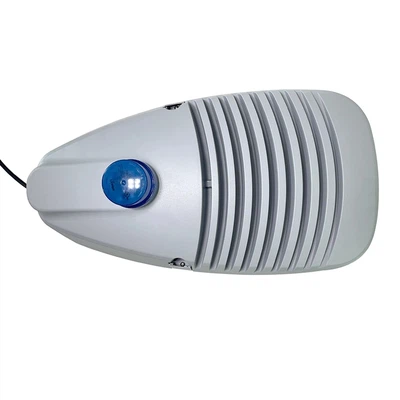
Test the light motion detector
Reactivate power to the circuit and step outside to make sure the light is on. If your floodlight has a motion-activated sensor, test that it is working as well. Remember to direct the floodlights toward the ground for optimum illumination.
An important application for flood lights is in ports. Such venues demand the most lighting at night because they are open 24 hours a day. Powerful lighting fixtures like LED flood lights are an obvious choice for these uses.
An area’s value is increased by architectural structures and monuments. Some of these buildings serve as symbols of national pride and culture. These buildings are illuminated at night by floodlights, highlighting their architectural beauty. Monuments are frequently highlighted using lighting techniques like wall-washing and accent lighting. This is accomplished by the accurate broad beam that LED flood lights to emit, making them the best choice for lighting such structures.
For a number of procedures, industrial buildings need high-intensity lighting systems. The majority of these machines operate continuously, which intensifies the demand for optimum lighting. Due to their high brightness output, LED floodlights are the preferred lighting option in these locations.
The company is a 'Member of China Interior Decoration Association', 'National Excellent Enterprise in Air Interior Decoration', and was rated as 'Top Ten Brands of Electric Curtains', with 7 product patents, and it is well-known in the industry.
As underground mining operations take place in total darkness, lighting needs to offer excellent illumination for those operations. The colour rendering index of LED flood lights is better making them as near to natural sunshine as is practical for this type of light. Mining businesses can provide their personnel with the advantage of crystal-clear visibility even underground by installing LED flood lights.

Luminous efficiency
Which determines how much energy the LED flood light is going to save. So, when you buy a LED flood light, you’ll need to look for the “lumen per watt” as this is the indicator unit for luminous efficiency. The higher the rate, the more efficient the LED flood light is.
Heat dissipation
This means that the minimum amount of heat generated by the LED flood light is well disposed of.A good heat sink is made of pure aluminum with a high thermal conductive rate of 238 W/MK the higher the value, the higher the conductivity rate.


Flickering issue
Naked human eyes may not notice flickering at all, but it might be significant under cameras, particularly in slow motion. To ensure that a LED flood light is good, the flickering rate must be less than 0.3 percent.
Detection angle
Street LED flood lights to have a dusk to dawn sensor so that the LED flood lights only work once dark and turn off at sunrise.
Clean the lenses
Gently clean the lenses with a soft cloth or lens cleaner to ensure maximum light output. Avoid using abrasive materials that could scratch the lens.
Consider energy-efficient options
If you’re replacing bulbs frequently, consider switching to energy-efficient LED bulbs. They last longer and consume less energy than traditional bulbs.
Clean the fixtures
Use a soft, damp cloth or sponge to wipe down the fixtures, removing dirt and grime. For stubborn stains or residue, you can use a mild soap solution. Be sure to rinse thoroughly to remove any soap residue.
Clean off dirt & debris
We always recommend cleaning your flood lights to ensure that the light output is as bright as possible. Wind or adverse weather can blow debris onto the lights, so like anything giving them a sufficient wipe down will help them to remain efficient and effective.
Check wiring & connectors
This is especially true for those which are closer to the ground, so could have been impacted by external factors. All of our flood lights are built to be durable and last for 100,000 hours, but brief checks like this can ensure that output remains at the highest level.
Make sure they’re securely mounted
All of the flood lights that we provide and install are securely attached using appropriate bracketrythat is rated for the weight of the light. However, if there have been periods of high winds, or if the light has been impacted in some way, then it is always important to check that all connections remain tight and secure.
Power and brightness: Select the appropriate pan -light light according to the occasion and requirements, including parameters such as power, brightness, and color.
Color and color temperature: The color and temperature of the pan -light lights are also factors that need to be considered. For example, if you need to create a warm atmosphere, you can choose a low -colored pan -light light; if you need to create a cold -colored atmosphere, you can choose a high color temperature pan -light light.
Installation method: The installation of pan -light lights can be installed, supported, and wall -mounted.
Brand and model: When choosing a pan -light, you need to view the technical specifications and instructions of the pan -light to determine its power consumption requirements. Generally speaking, the voltage requirements of pan -light lights are 220V AC, and the power is 3 between 50 watts and 1000 watts.
Life life: The service life of pan -light is generally long, which can reach 60,000 to 100,000 hours.
Environmental protection and energy saving: The solid mercury agent is used in pan -light lights. Even if it is broken, it will not cause pollution to the environment. More than 99%of the recovery rate is a real environmentally friendly green light source 4. Compared with incandescent lamps, the energy saving of pan -light lights is about 75%.
Flintlessness: Because the frequency of the pan -light light is high, it is considered "no fluctuation effect at all", which does not cause eye fatigue and protects the health of the eyes.
Color rendering: The color rendering index of the pan -light light is greater than 80, the light color is soft, and it presents the natural color of the subject.
Positioning
It is essential to place the flood light in the right location for maximum visibility. Consider the angle of the light and the height at which it should be positioned to get the best coverage. Proper placement of the flood light can help to eliminate shadows, blind spots, and dark areas.
01
Wattage
Different flood lights have different wattage levels, so it is crucial to choose the right one according to your needs. A higher wattage may be necessary for outdoor areas that require high visibility, but it can also cause glare if not used properly. Consider the proximity of the light and the area you want to illuminate to determine the appropriate wattage.
02
Timer or motion sensor
Flood lights can be set to work on a timer or with a motion sensor. A timer is useful for illuminating a specific area or for creating a routine for outdoor lighting. A motion sensor is useful for security lighting, as it can detect movement and turn on the light automatically.
03
Maintenance
Regular maintenance of flood lights is essential to keep them working properly. Check the bulbs, wiring, and fixtures to ensure that they are in good condition. Clean the lenses and bulbs when dirty or covered with debris to maintain optimal lighting.
04
Energy Efficiency
Using energy-efficient flood lights will help reduce energy costs and save money in the long run. Consider choosing LED or solar-powered flood lights to save on your energy bill and reduce your carbon footprint.
05
Check the exterior of the flood light for any signs of damage or wear, including cracks, dents, or corrosion.
Inspect the power cord and plug for any damage, and ensure that they are securely plugged in.
Check the light bulb for any signs of damage or burnout, and replace it if necessary.
Inspect the lens cover for any dirt, debris, or damage, and clean or replace it if needed.
Test the light for proper function by turning it on and off, and ensure that it is illuminating properly.
Check the mounting hardware for any signs of wear or damage, and ensure that the flood light is securely fastened to the mounting surface.
If the flood light contains a motion sensor or other electronic component, ensure that it is functioning correctly and adjust settings as necessary.
Ensure that the flood light is properly positioned and aimed to provide adequate lighting coverage.
Record any maintenance or repair needs on a maintenance log, and ensure that they are addressed promptly.
Ensure that the area surrounding the flood light is clear of obstructions or debris, and that it is free from any potential hazards.
What Is the Difference Between a Flood Light and a Regular Lightof Metric Roller Chain Sprocket
A flood light and a regular light are both types of lighting fixtures that emit light in a room or space.
Firstly, flood lights typically have a wider beam angle, which means they can cover a larger area than regular lights. This makes them ideal for illuminating outdoor spaces such as yards, gardens, or parking lots. Regular lights, on the other hand, are better suited for indoor spaces such as bedrooms, living rooms or kitchens that require more focused lighting.
Another difference between flood lights and regular lights is their brightness. Flood lights are typically much brighter than regular lights, and are often used to create a more dramatic effect or to highlight a specific feature or area. Regular lights, on the other hand, are designed to provide a softer, more even light that is better suited for everyday use.
Finally, flood lights are often designed to be more durable and weather-resistant than regular lights. They are typically made from materials such as metal or heavy-duty plastic, and are designed to withstand harsh outdoor conditions like rain, wind, or snow. Regular lights, on the other hand, are often designed for indoor use and may not be as durable or weather-resistant.
While both flood lights and regular lights serve the same basic purpose of providing light, they differ in terms of their beam angle, brightness, and durability. The choice between the two depends on the specific needs and requirements of the space in which they will be used.
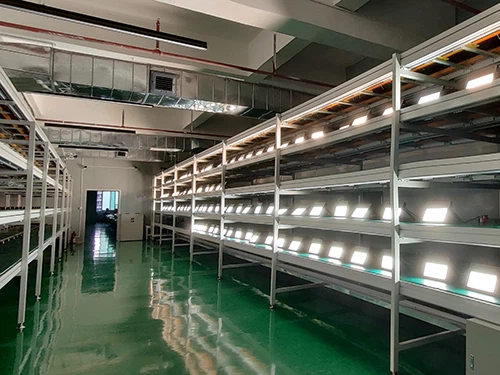
Factory



Q: What does flood light do?
Q: Why do they call them flood lights?
Q: What is difference between flood light and LED light?
Q: What do you mean by flood lighting?
Q: When should you use a flood light?
Q: Are flood lights better?
Q: Are flood lights worth it?
Q: How bright are flood lights?
Q: Where should you put flood lights?
Q: Are LED flood lights good?
Q: How long do LED floodlights last?
Q: Are LED flood lights better?
Q: How many lumens do I need for a flood light?
Q: What are the features of floodlight?
Q: What makes a floodlight?
Q: What is the principle of flood lighting?
Q: What strength are flood lights?
Q: How do you position flood lights in a house?
Q: How do you stop a flood light from flashing?
Q: What are the angles of flood lights?
As one of the leading flood light suppliers in China, we warmly welcome you to buy bulk discount flood light from our factory. All customized products are with high quality and competitive price. Contact us for quotation.
outdoor lighting accessories, stadium light for stadium renovations, bright stadium lighting(0/10)



